












The House of Breguet
Journey through time
1775 - 1801
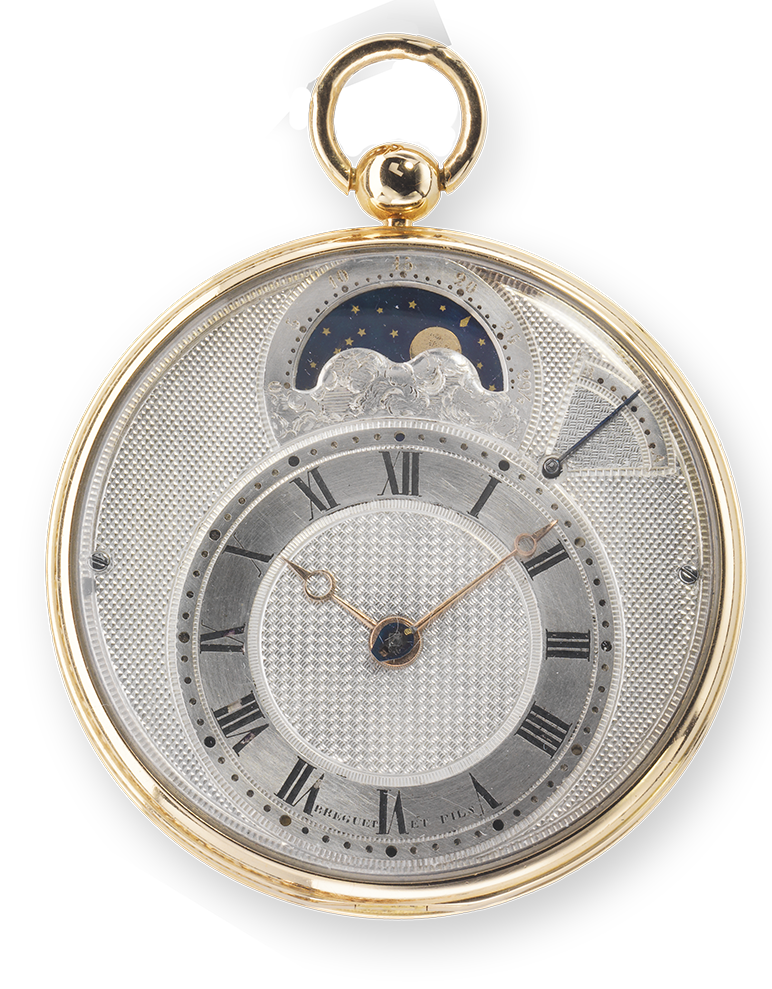
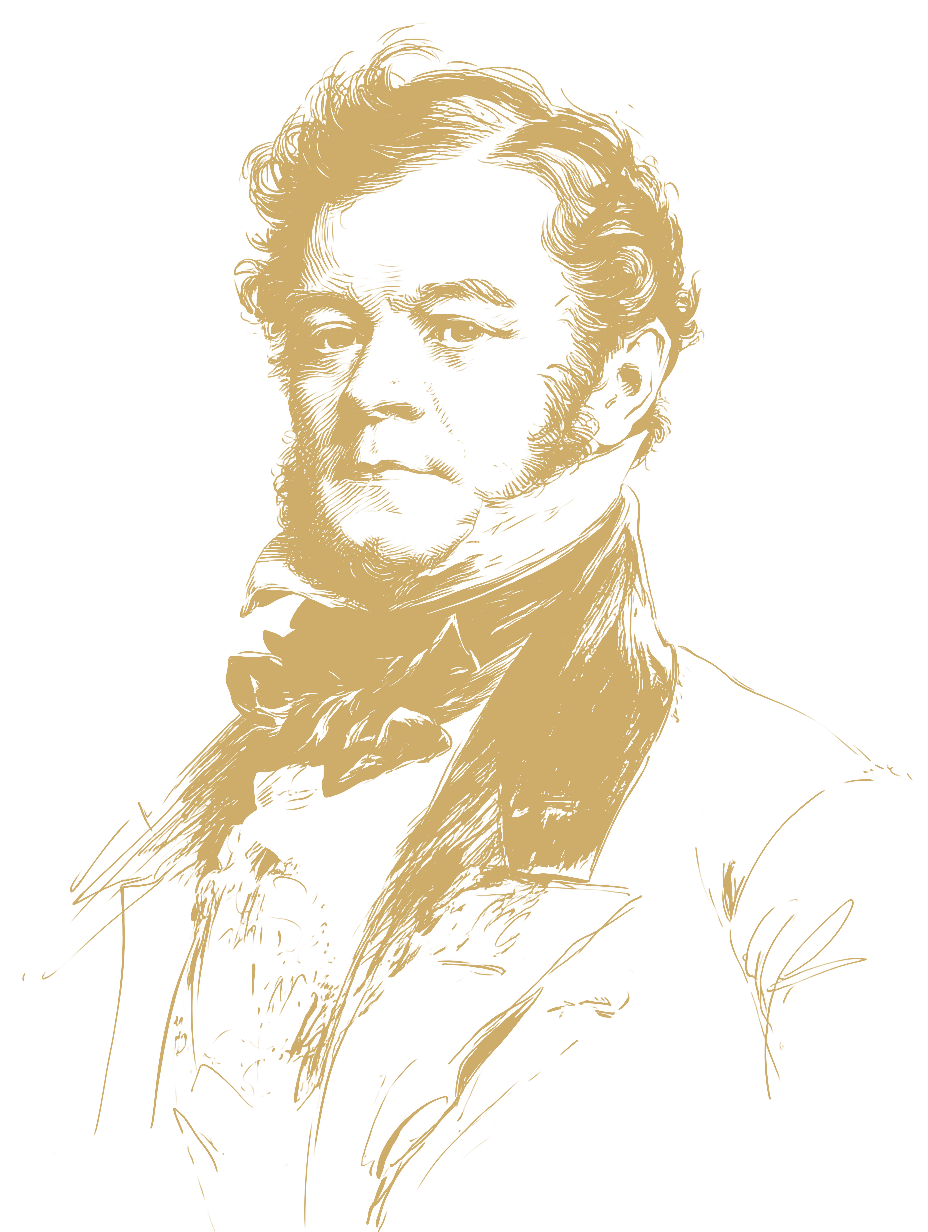
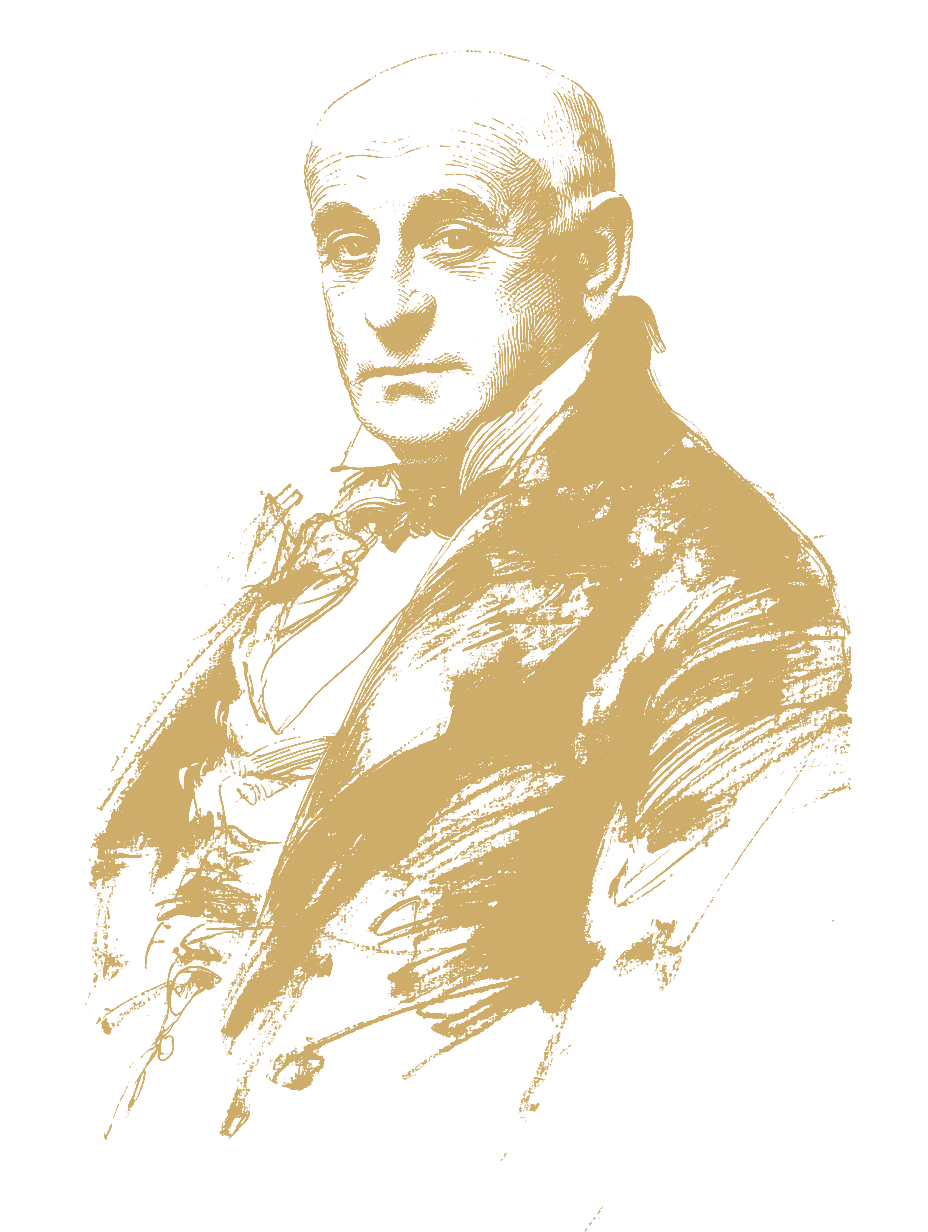
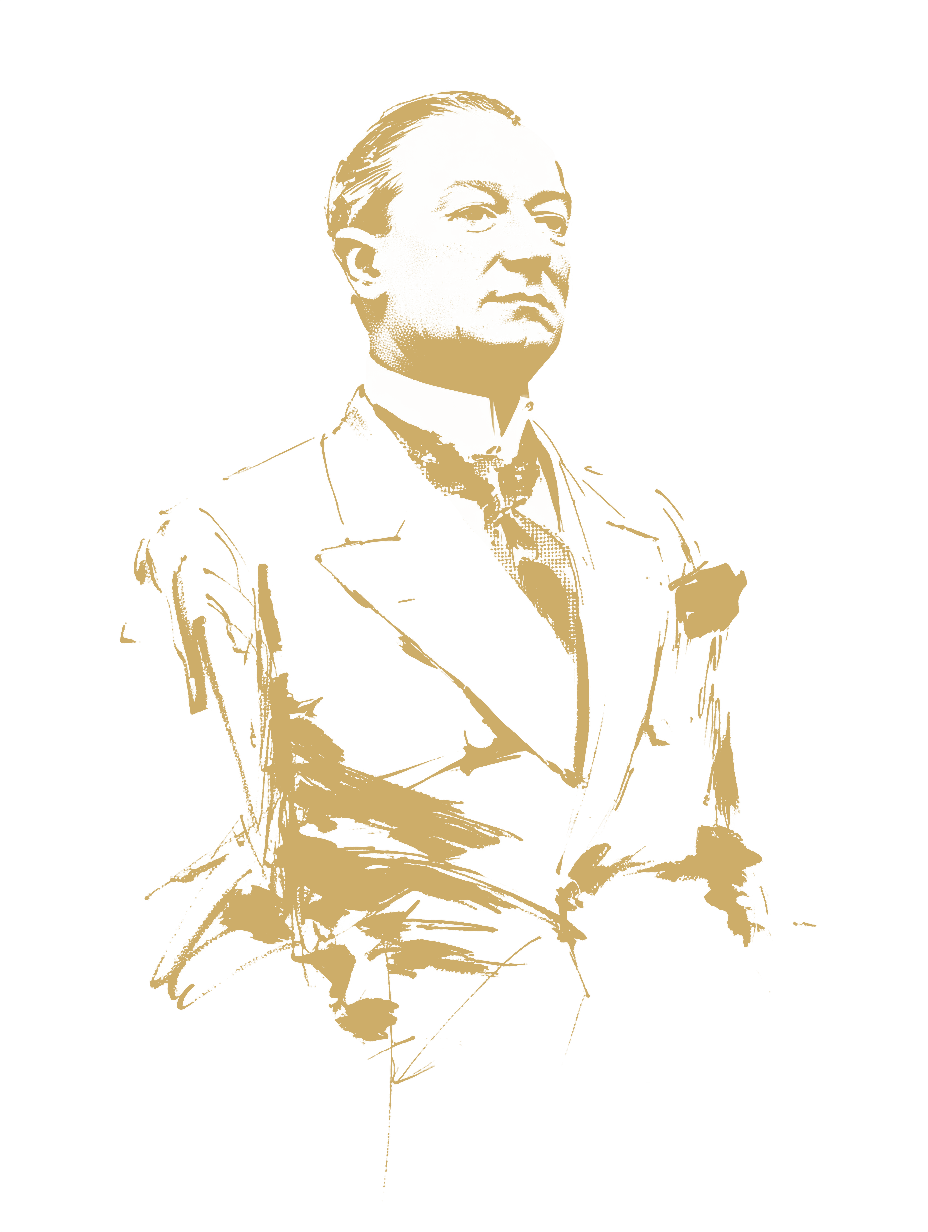
Abraham-Louis Breguet left his native Neuchâtel in his teens to complete his apprenticeship as a watchmaker in Versailles and Paris. In 1775, he opened his own workshop in the Île de la Cité in Paris. Thanks to Abbé Marie, who took him under his wing, he was introduced to the French court, whose members soon became part of his clientele. Forced to leave France during the dark days of the Revolution, he returned in 1795 to continue his work, with many projects in mind. The early years of this brilliant watchmaker were marked by inventions that still benefit the entire watchmaking industry today.
Opening of Abraham-Louis Breguet's workshop in Paris
Opening of Abraham-Louis Breguet's workshop in Paris
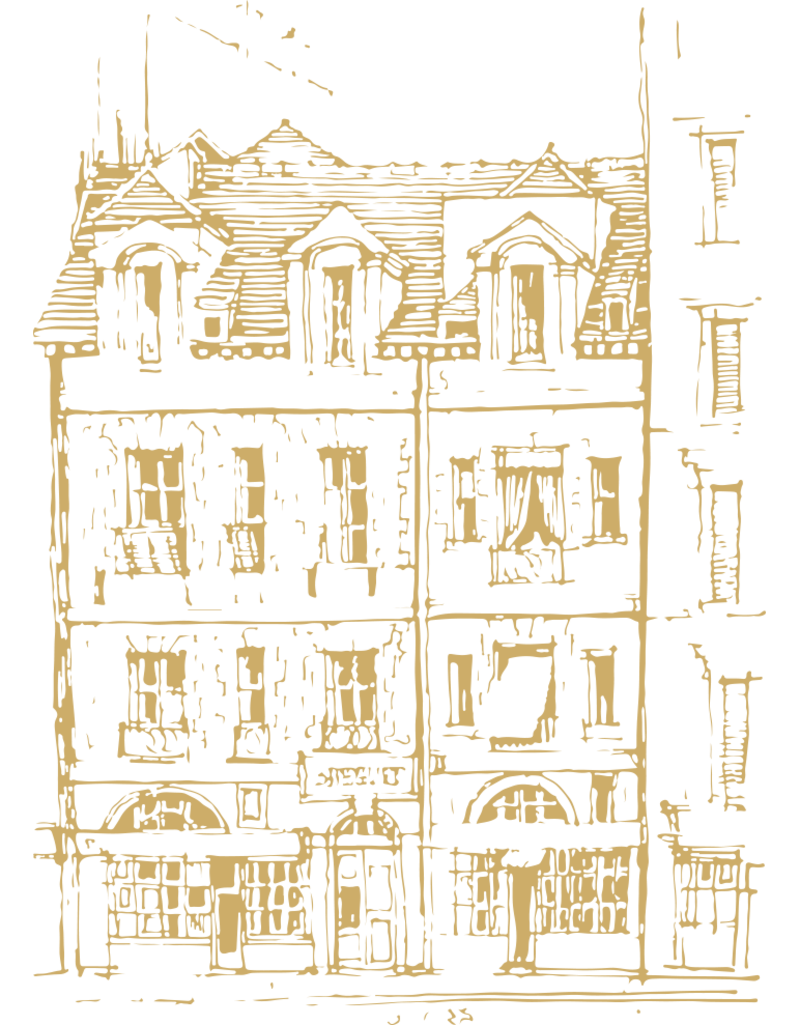
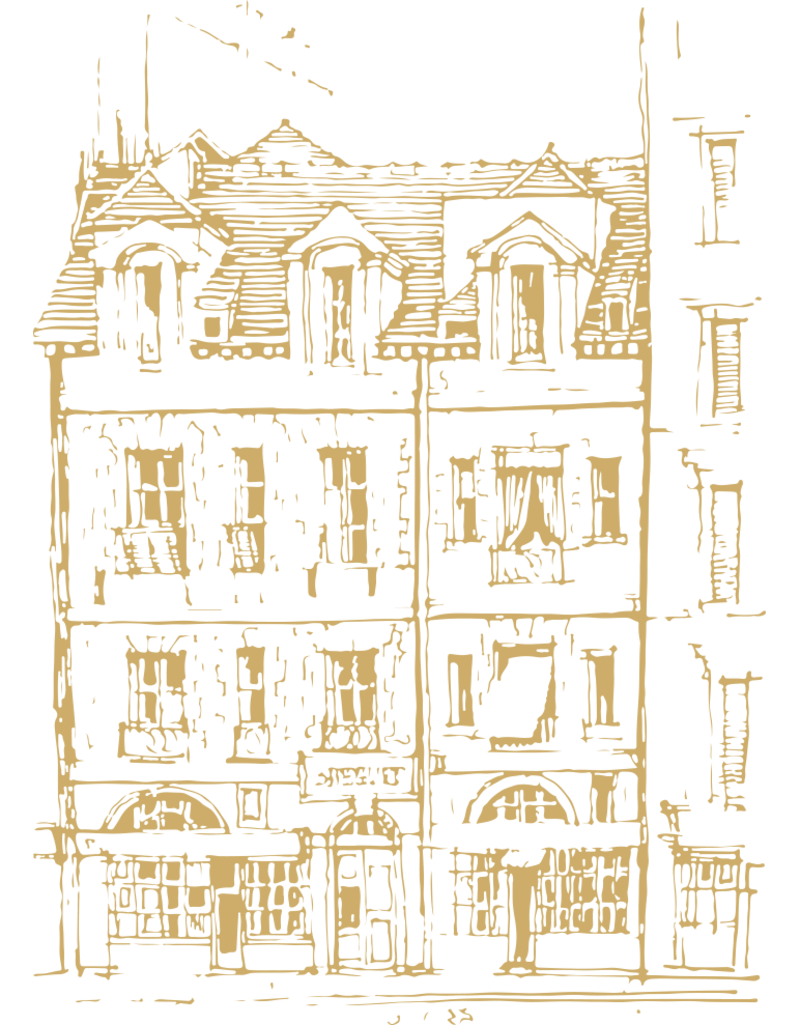
A.-L. Breguet, born in Neuchâtel in 1747, set up his own business on the Quai de l'Horloge, Île de la Cité in Paris. He had recently married and moved into a building overlooking Quai de l'Horloge on one side and Place Dauphine on the other. He became the owner at the end of the Revolution and passed it on to his heirs.
Order for watch N°160, known as the “Marie-Antoinette” watch
Order for watch N°160, known as the “Marie-Antoinette” watch
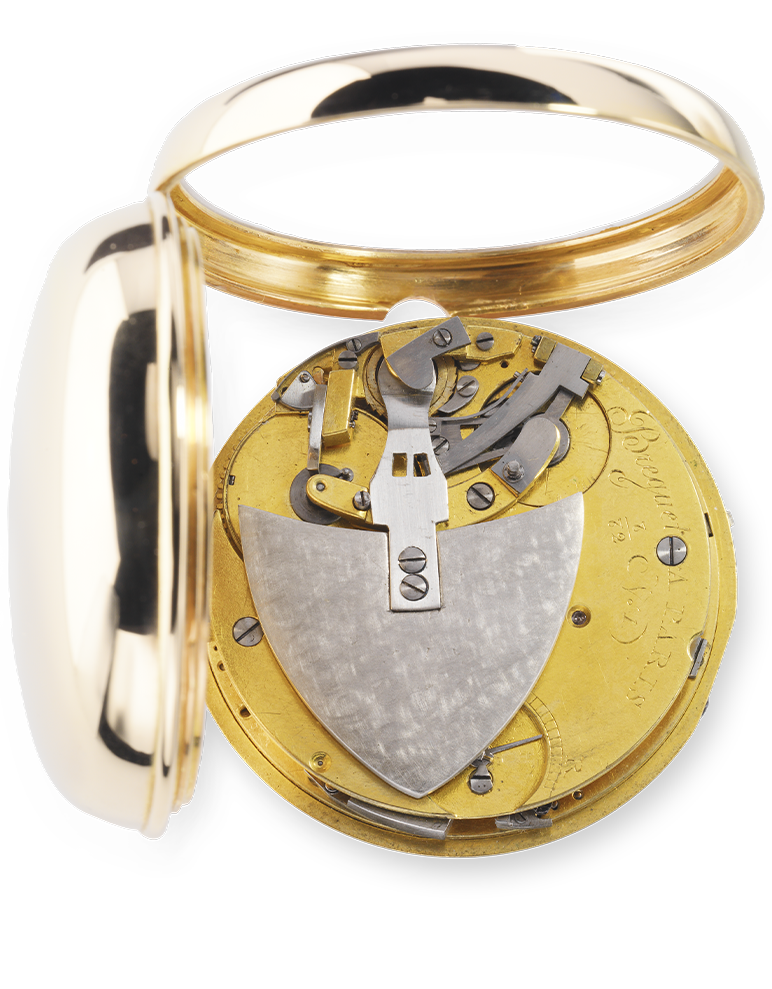
One of the Queen's guards ordered a watch incorporating all the complications and improvements known at the time.

A.-L. Breguet returns to Switzerland during the French Revolution
A.-L. Breguet returns to Switzerland during the French Revolution
The watchmaker took refuge in his native country until 1795, and despite the distance, he managed to run what remained of his workshop.

Sale of the first subscription watch
Sale of the first subscription watch
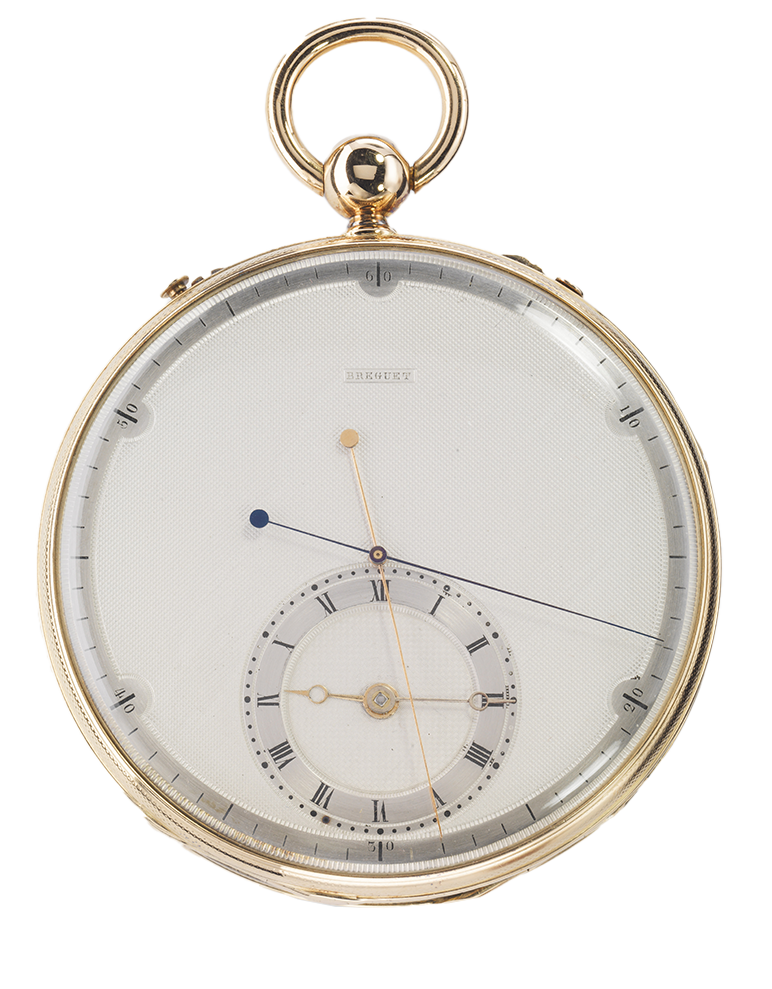
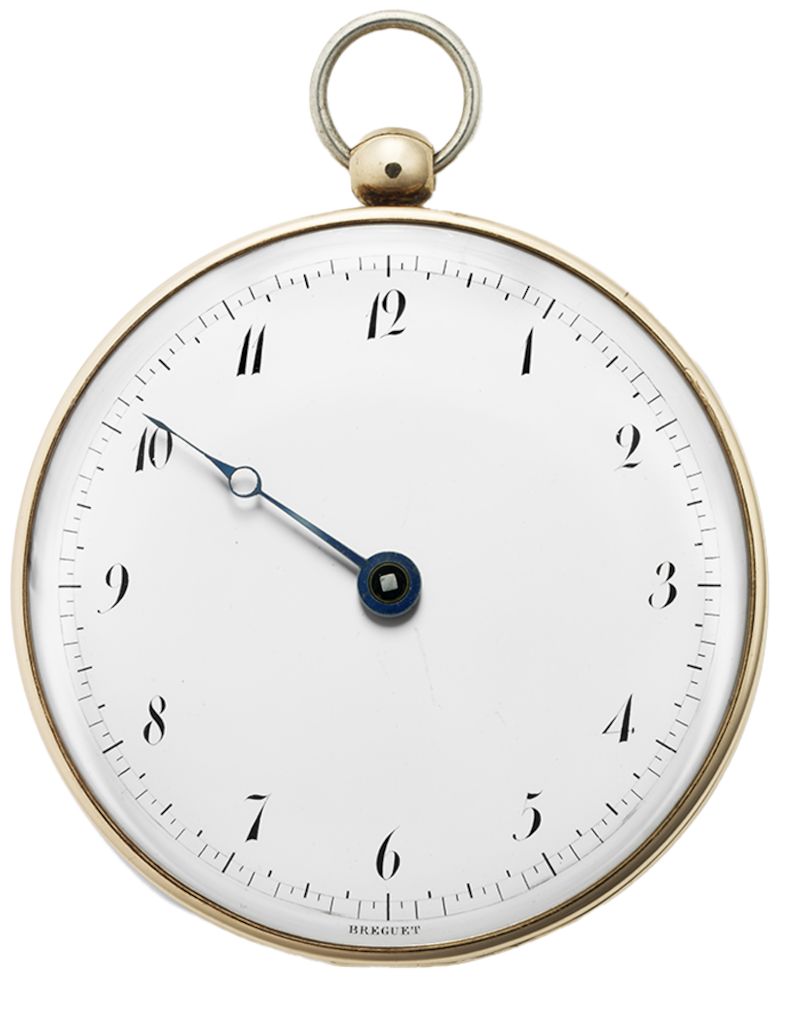
Sold on a subscription basis - a quarter of the price is paid when the order is placed - this creation is distinguished in particular by its single hand.
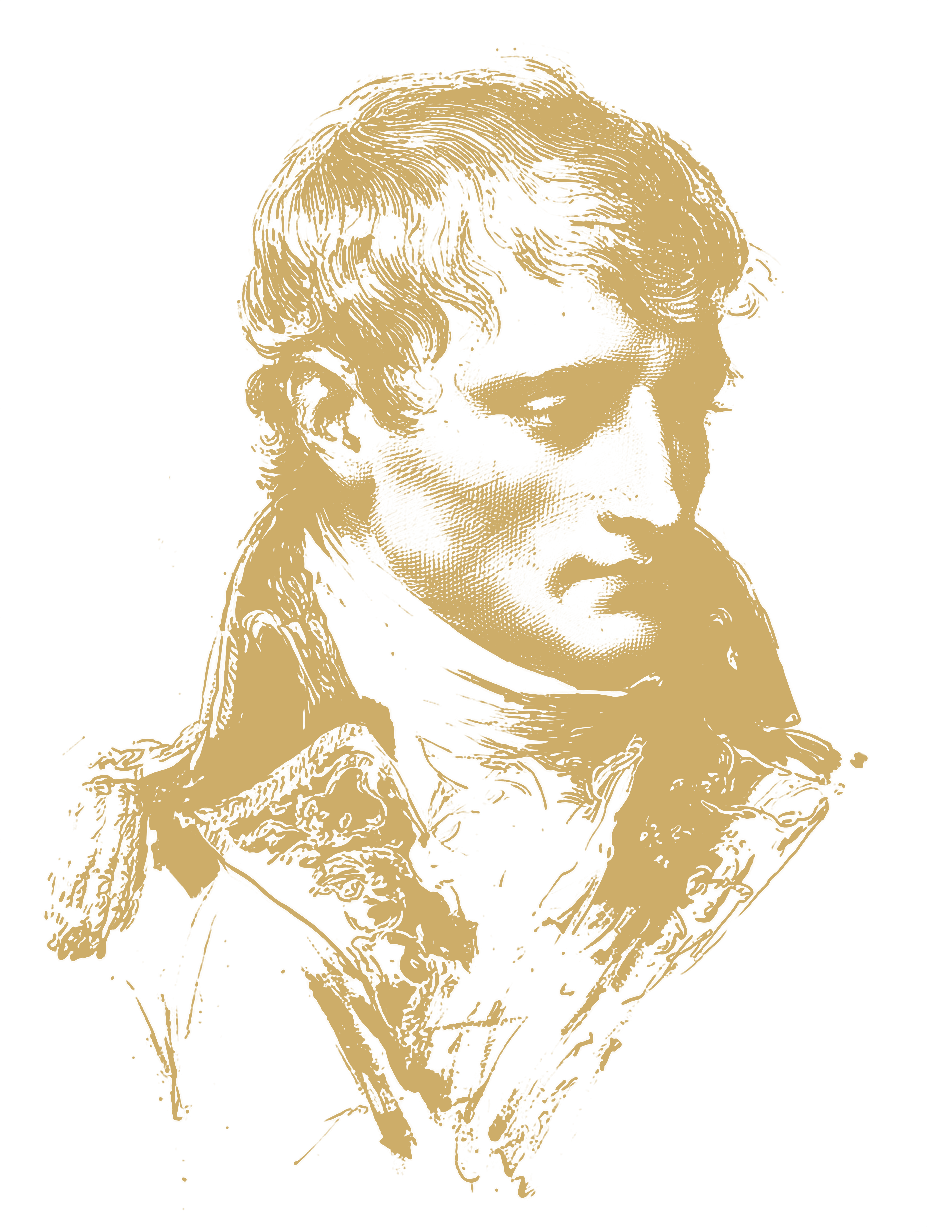
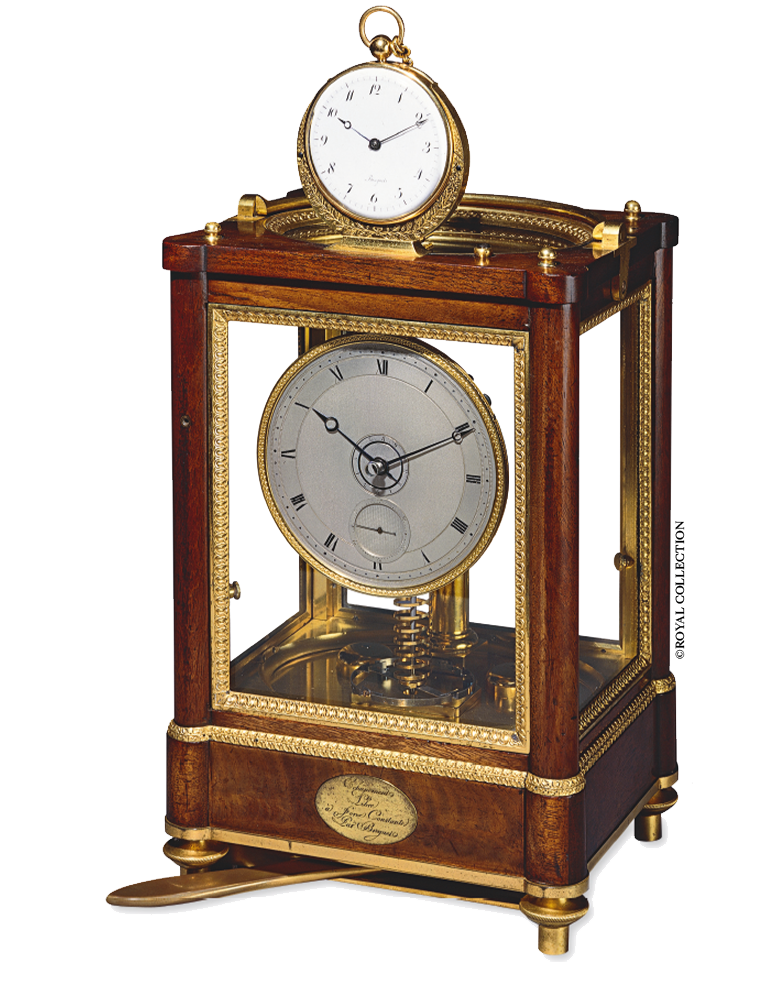
Purchase of three timepieces by Napoleon before his Egypt campaign
Purchase of three timepieces by Napoleon before his Egypt campaign
One of Breguet's most famous customers, Napoleon Bonaparte bought a repeater watch, a travel clock and a perpetual watch that year.

Sale of the first “tact watch”
Sale of the first “tact watch”
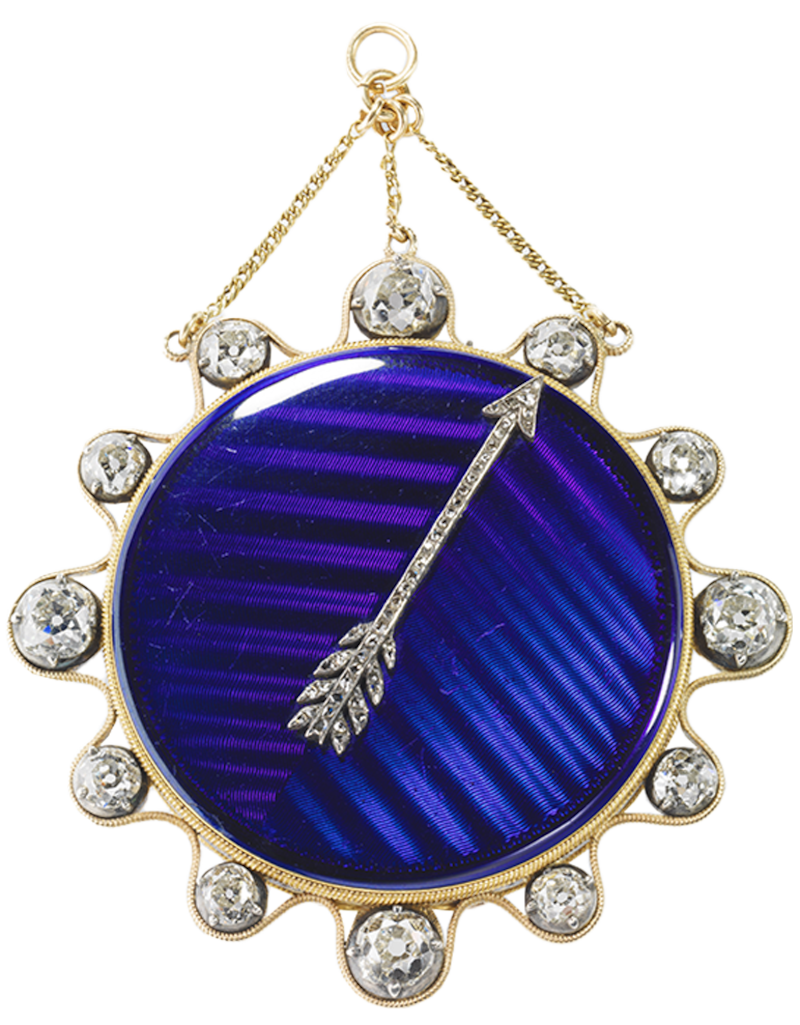
This watch can be read by touch. An arrow on the outside of the case reproduces the position of the hour hand. After “feeling” the position of the arrow, the wearer can find their bearings thanks to markers located directly above the hours.
Inventions in this period
1801 - 1823
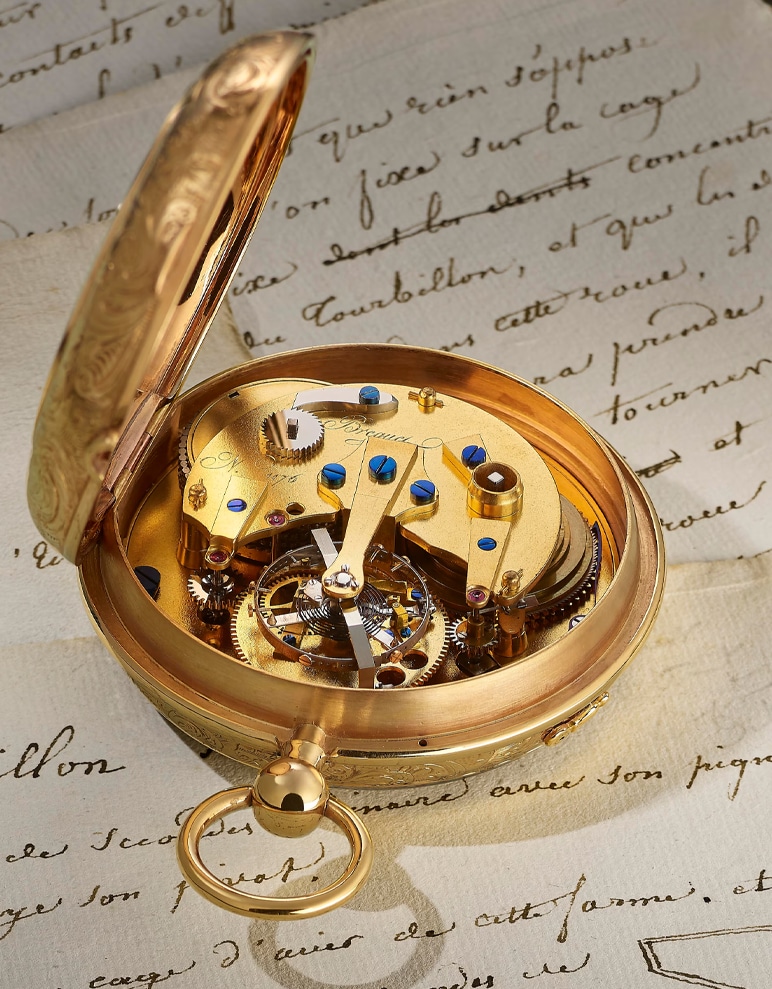
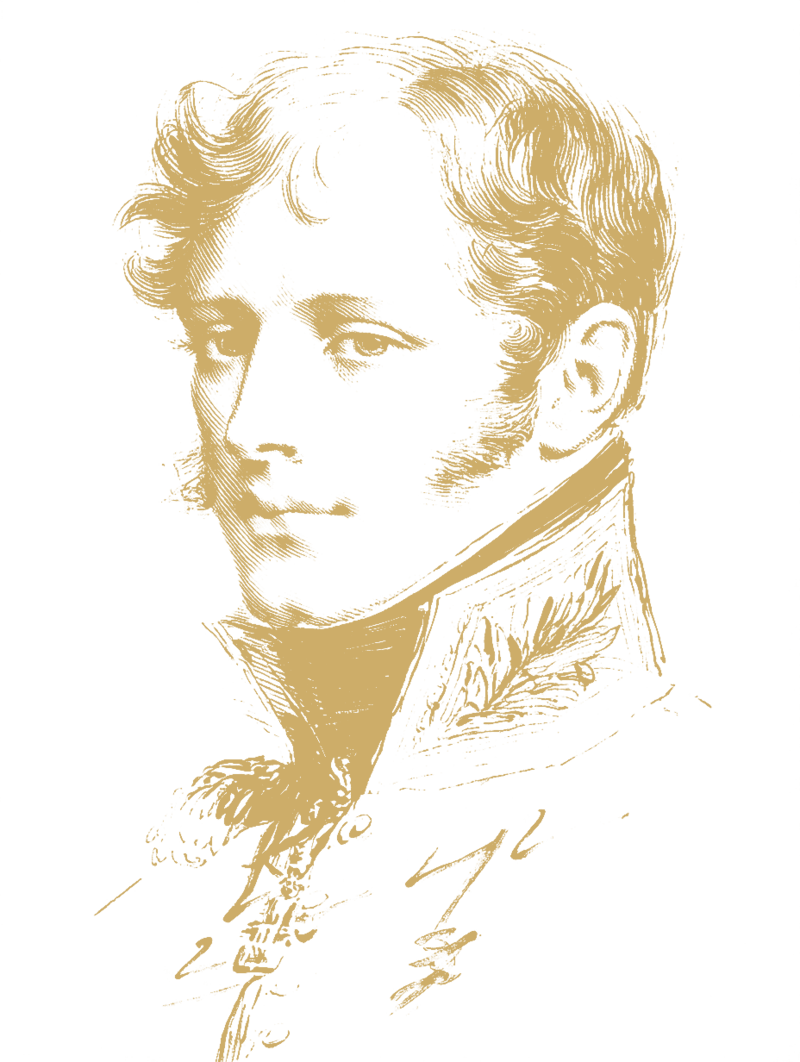
A.-L. Breguet discovered a changed France when he returned to Paris at the end of the Revolution. Nevertheless, he managed to continue developing his foreign clientele and created a truly international distribution network that extended as far as Russia and Turkey. His clientele included some of Europe's most prominent figures. He continued his career with a number of prestigious inventions, including the Tourbillon. This extraordinary career earned him several distinctions, such as member of the Bureau des Longitudes, Watchmaker to the French Royal Navy, member of the French Academy of Sciences and Knight of the Legion of Honour. He died in 1823 at the age of 76.
First purchase of Selim III
First purchase of Selim III
Ali Effendi, then Minister for the Navy, commissioned the finest possible repeating watch for the Ottoman Emperor, Selim III.

First purchase by Caroline Murat, Queen of Naples
First purchase by Caroline Murat, Queen of Naples
With 34 clocks and watches purchased between 1808 and 1814, Caroline Murat, Napoleon's youngest sister, became A.-L. Breguet's most important customer. This special relationship led to the creation of the first watch designed specifically to be worn on the wrist.

Purchase of a “sympathique clock” by the Tsar of Russia, Alexander I
Purchase of a “sympathique clock” by the Tsar of Russia, Alexander I
He appreciated Breguet's creations and encouraged their sale in Russia. He also ordered a series of pedometers to measure the marching pace of his troops.
Appointment of A.-L. Breguet as Watchmaker to the French Royal Navy
Appointment of A.-L. Breguet as Watchmaker to the French Royal Navy
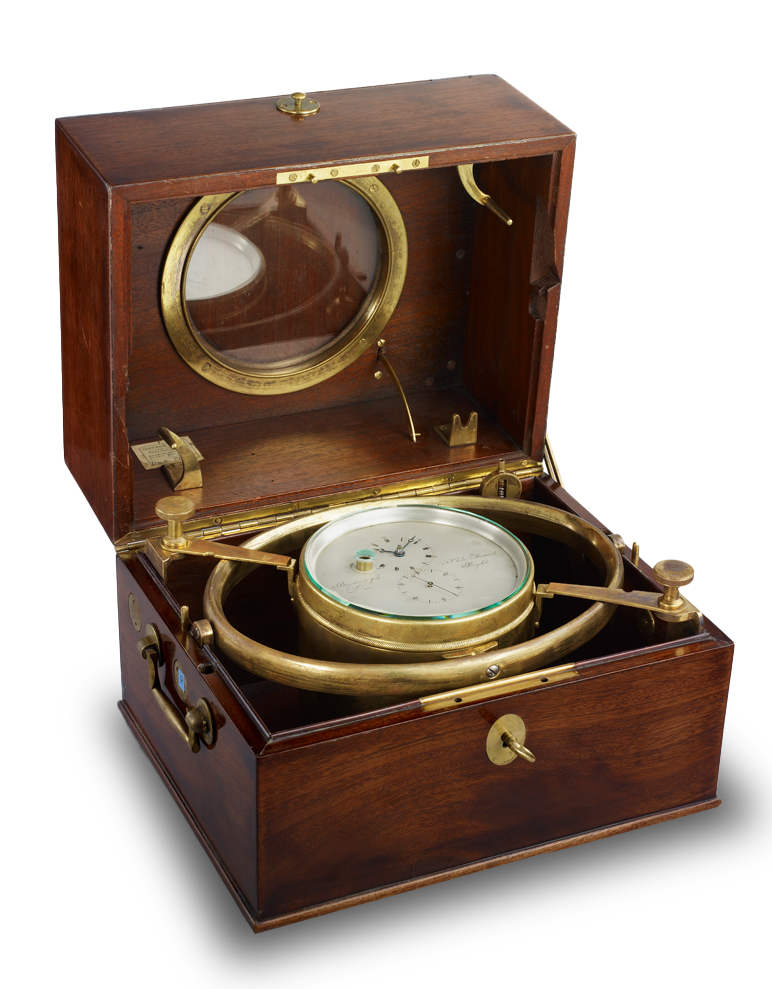
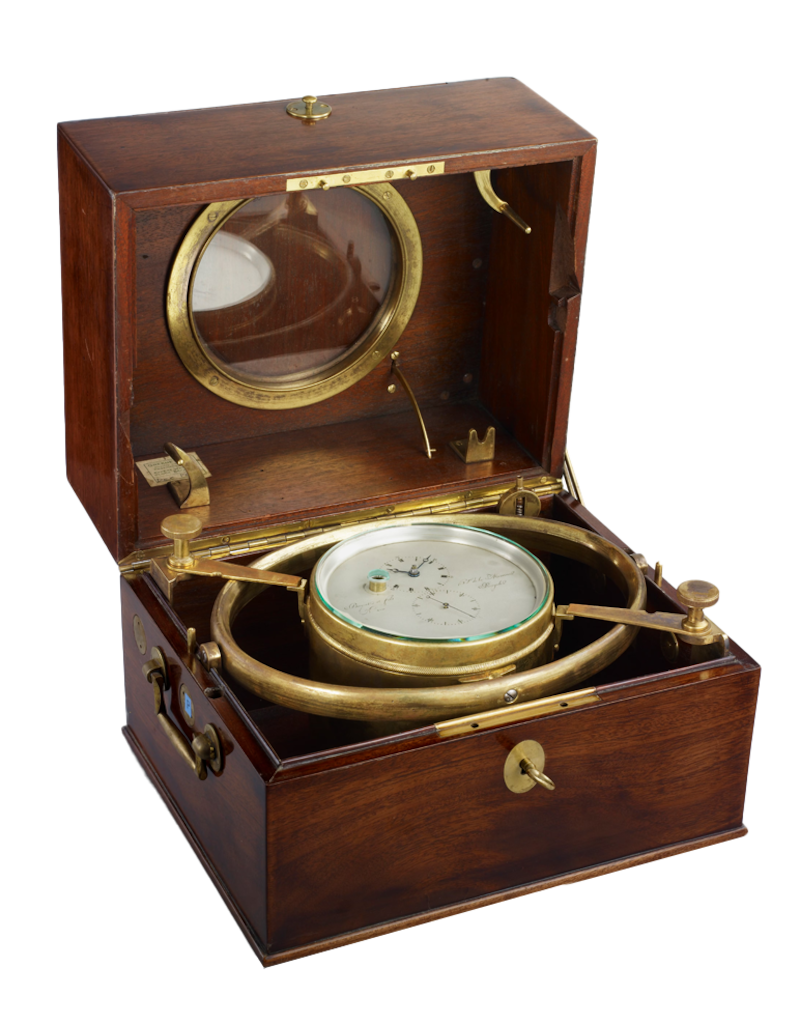
After his appointment to the Bureau des Longitudes in Paris in 1814, A.-L. Breguet was given the official title of Watchmaker to the French Royal Navy by Louis XVIII. This was the most prestigious title a watchmaker could receive, since the very notion of marine watchmaking implied scientific knowledge.
Death of A.-L. Breguet
Death of A.-L. Breguet
A.-L. Breguet died during the night of 16 to 17 September, aged seventy-six years and eight months. His only son and associate, Antoine-Louis Breguet, born in 1776, took over the management of the company and continued his father's work.

1823 - 1870
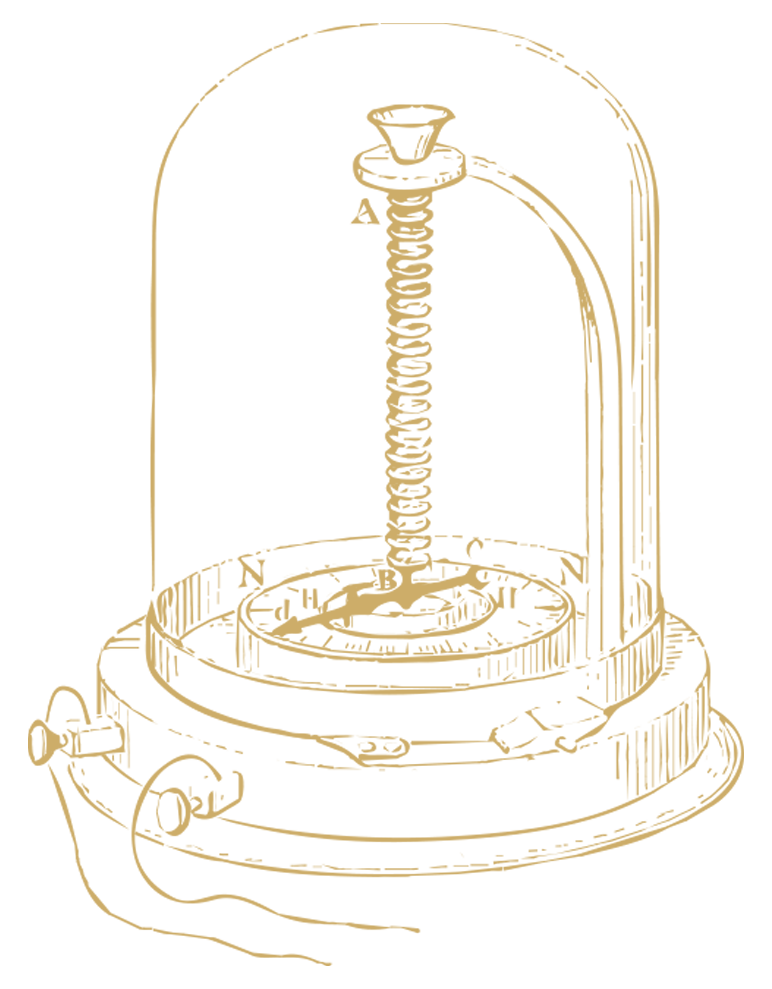
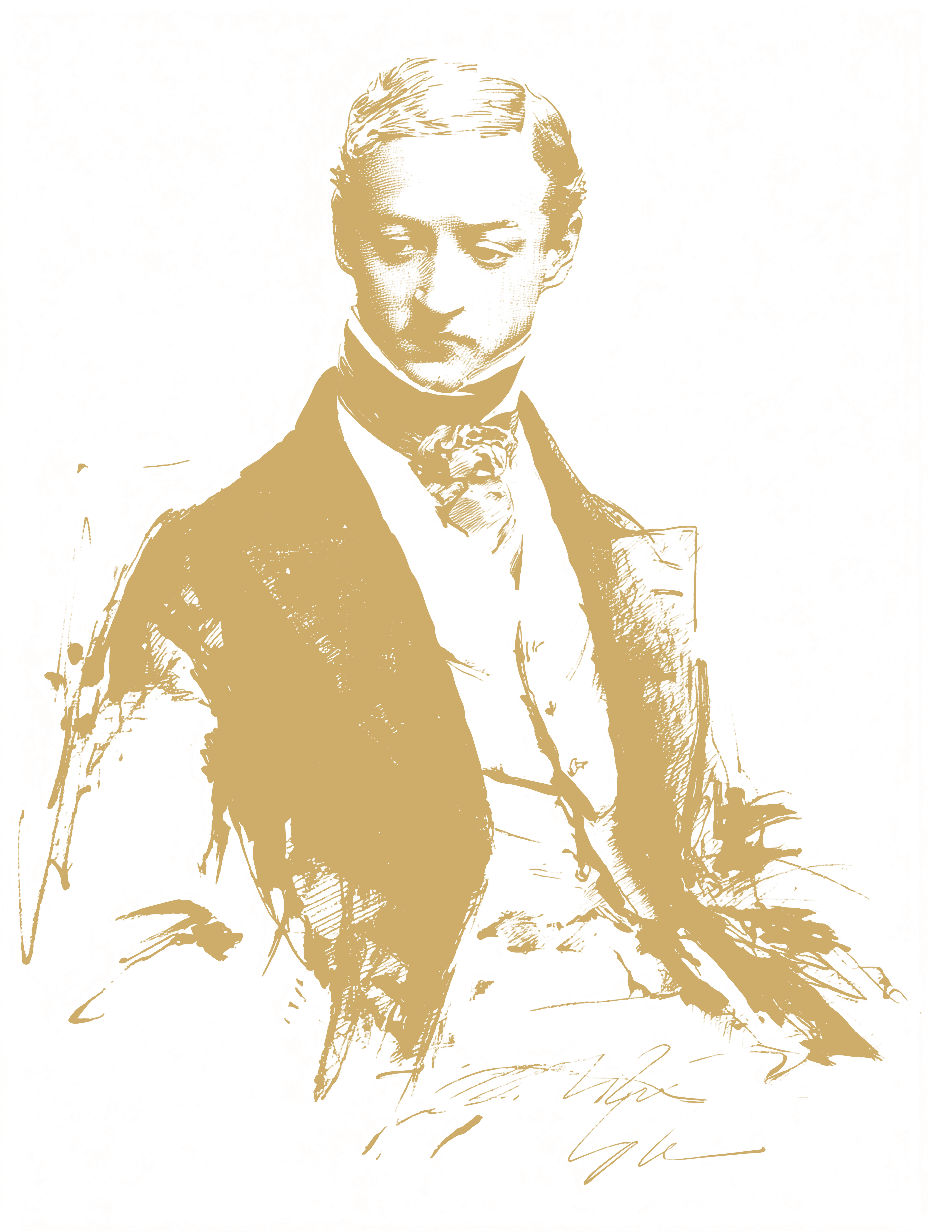
Antoine-Louis Breguet, the founder's only son, took over the company following his father's death. He had been immersed in watchmaking from an early age and continued the family business until 1833, when his own son, Louis-Clément, took over. With his passion for the uses of electricity, he also injected a new dynamism into the company, understanding that watchmaking was now aimed at a wider audience. This marked the start of mass production.
The company is taken over by the founder's grandson, Louis-Clément Breguet
The company is taken over by the founder's grandson, Louis-Clément Breguet
His passion for electricity made him one of Europe's leading specialists in the field, to the detriment of traditional watchmaking, which he gradually lost interest in.
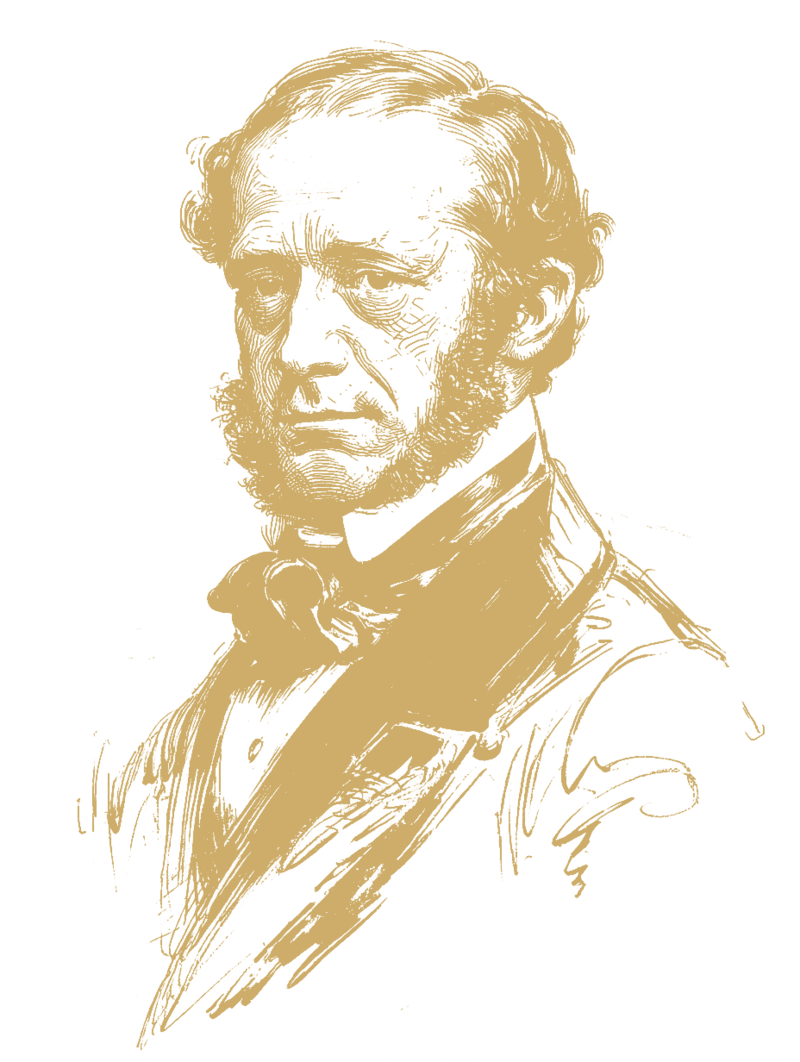
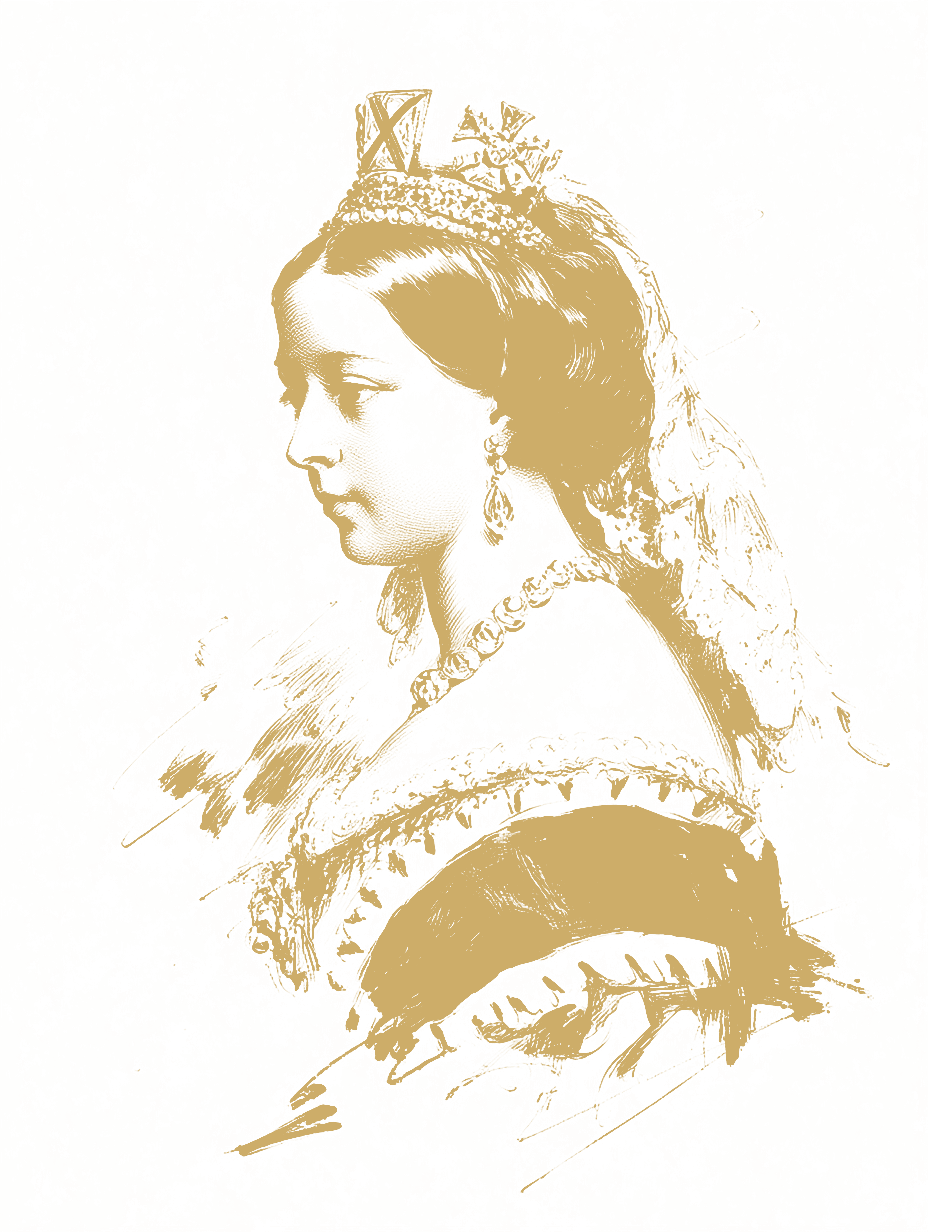
Purchase by Queen Victoria
Purchase by Queen Victoria
The young Queen purchased a small watch with an off-centre dial wound by a knurled button.

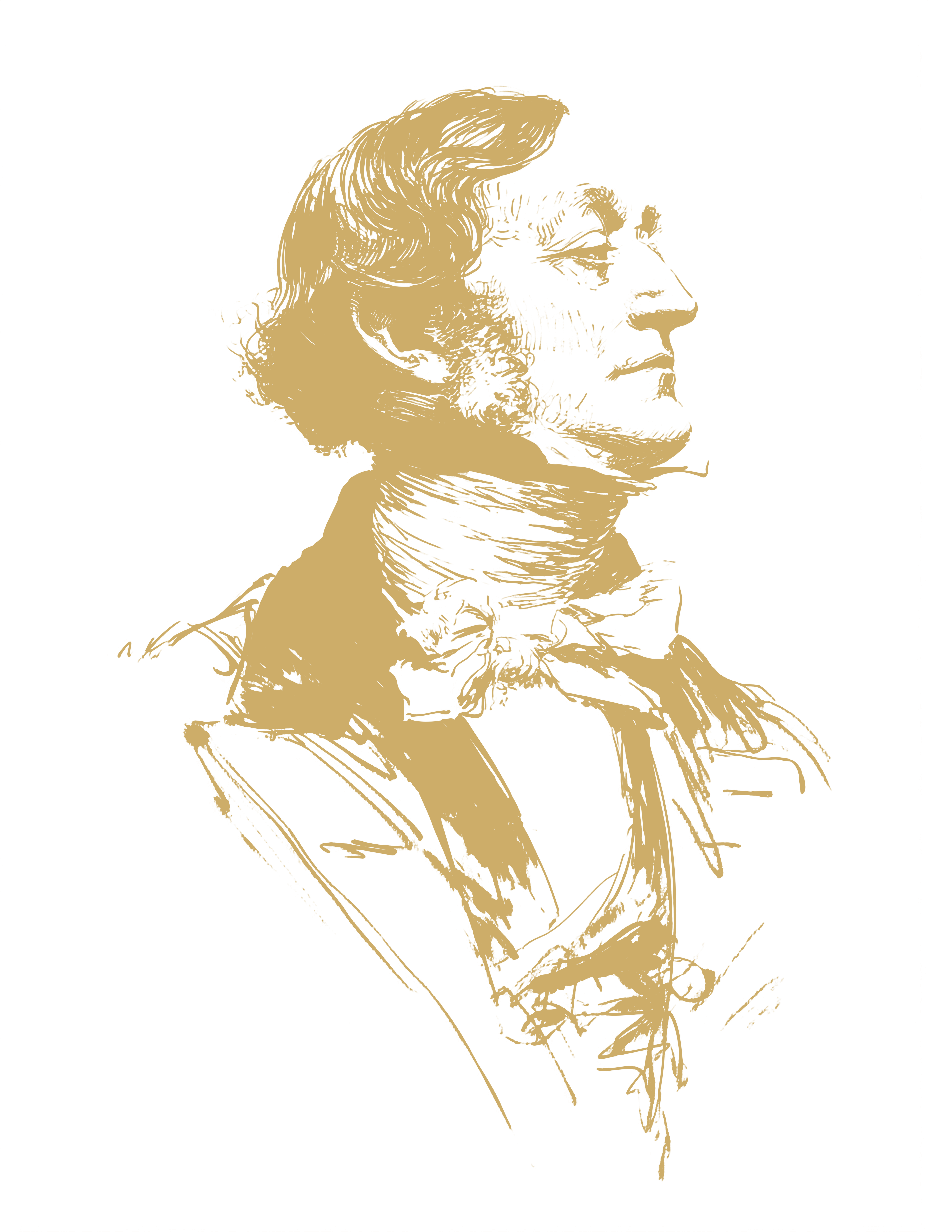
Servicing of Gioachino Rossini's watch
Servicing of Gioachino Rossini's watch
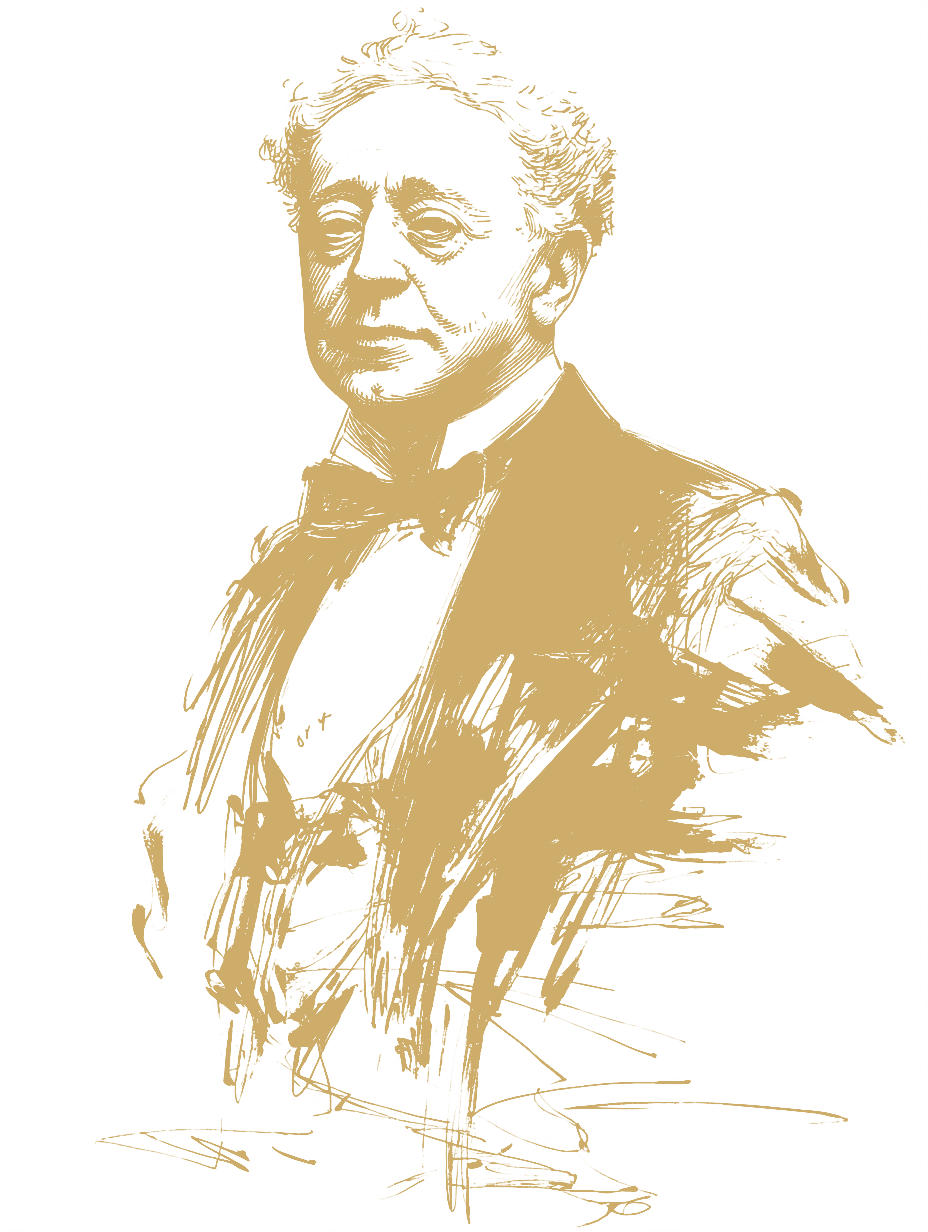
The great composer owned a simple date watch that his wife continued to maintain after his death.

Appointment of Louis-Clément Breguet to the Bureau des Longitudes

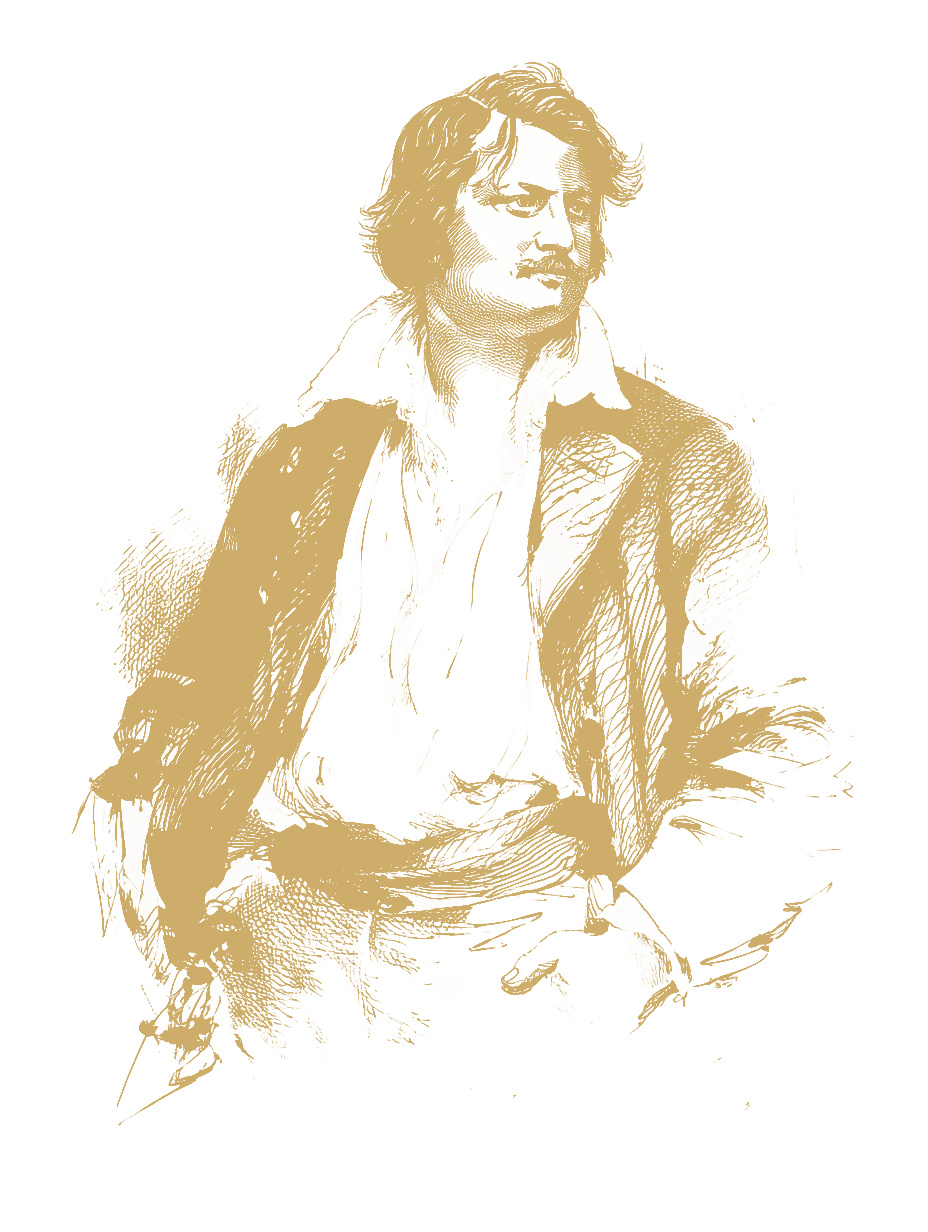
Writers in this period
1870 - 1970
A.-L. Breguet's descendants gradually lost interest in watchmaking in favour of other sectors such as electricity, scientific instruments and, later, aviation. In 1870, Louis-Clément Breguet, representing the third generation, sold the watchmaking branch of the company to his workshop manager Edward Brown. The Brown family, aware of the historical importance of Breguet and the heritage it represents, continued to run the company for a century. With great perseverance, they consistently maintained the brand's activity and traditions, despite numerous difficulties, crises and world wars.
Sale of the watchmaking company to Edward Brown, workshop manager
Sale of the watchmaking company to Edward Brown, workshop manager
Almost a century after it was founded, the watchmaking company left the Breguet family and its birthplace on the Quai de l'Horloge. Another family, the Browns, would take over for exactly one hundred years. Three generations and four owner-managers succeeded one another.
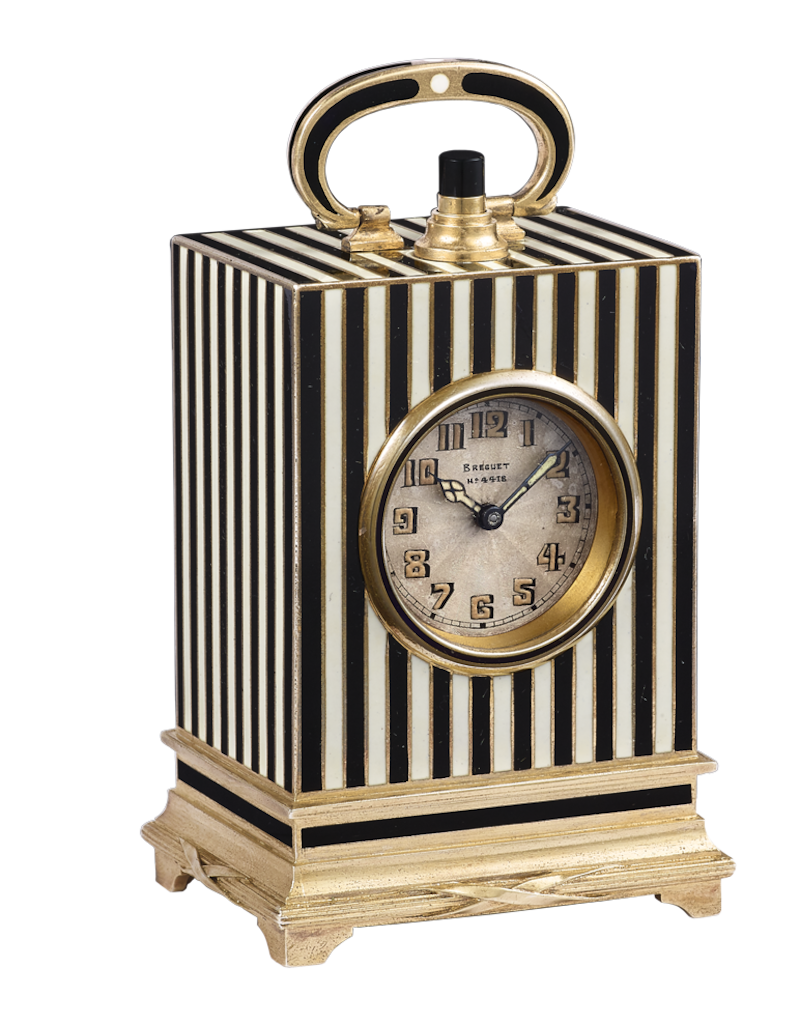
Purchase of a watch by the Duke of Marlborough
Purchase of a watch by the Duke of Marlborough
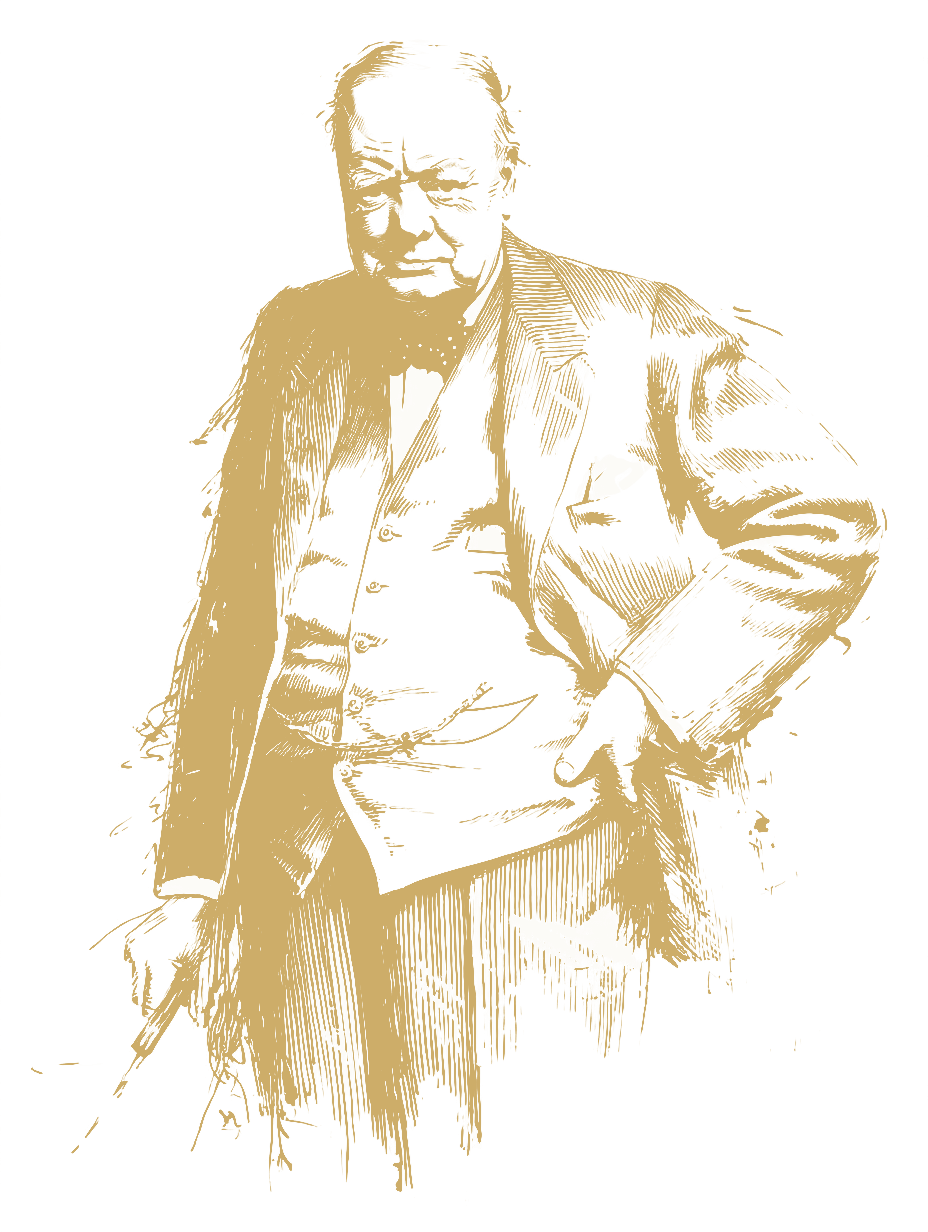
Sir Winston Churchill's uncle purchased an exceptional minute repeater chronograph with split-seconds, which later belonged to his famous nephew.
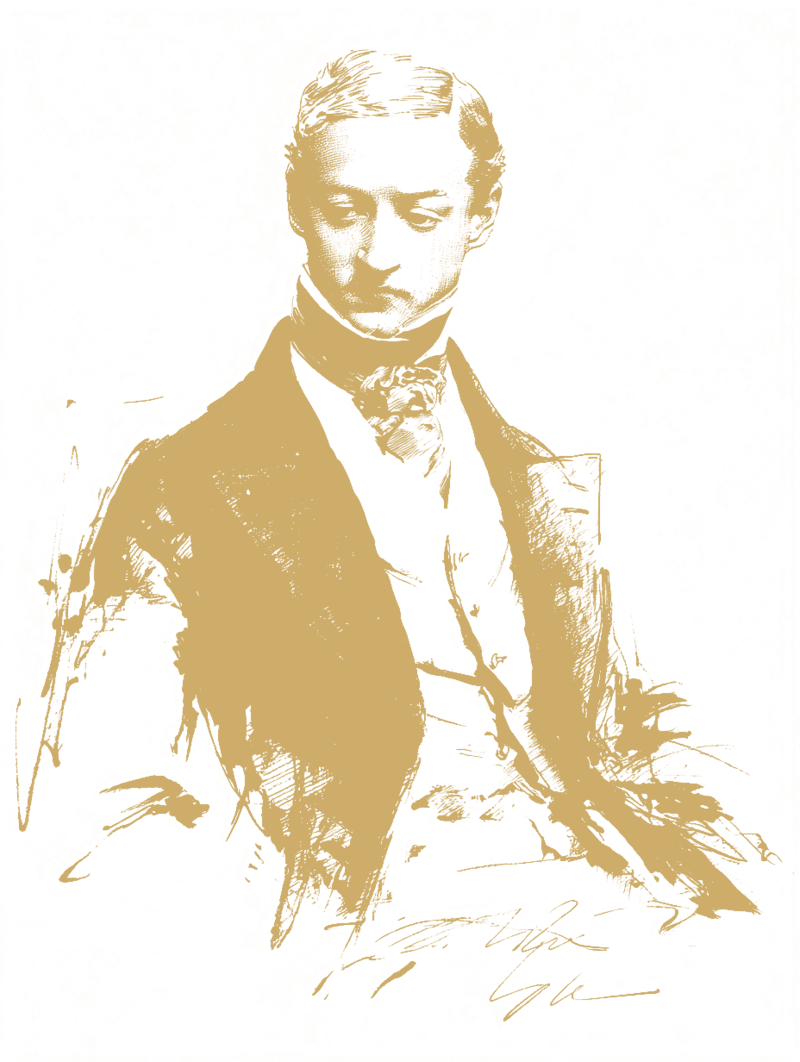
First servicing of Sir Winston Churchill’s watch
First servicing of Sir Winston Churchill’s watch
Throughout his life, he visited Breguet, either to make purchases or to have the watch he wore all his life, N°765, serviced.

Servicing of Arthur Rubinstein's watch
Servicing of Arthur Rubinstein's watch
The timepiece owned by the famous pianist was first made in 1822. It later belonged to Prince Scherbatoff.
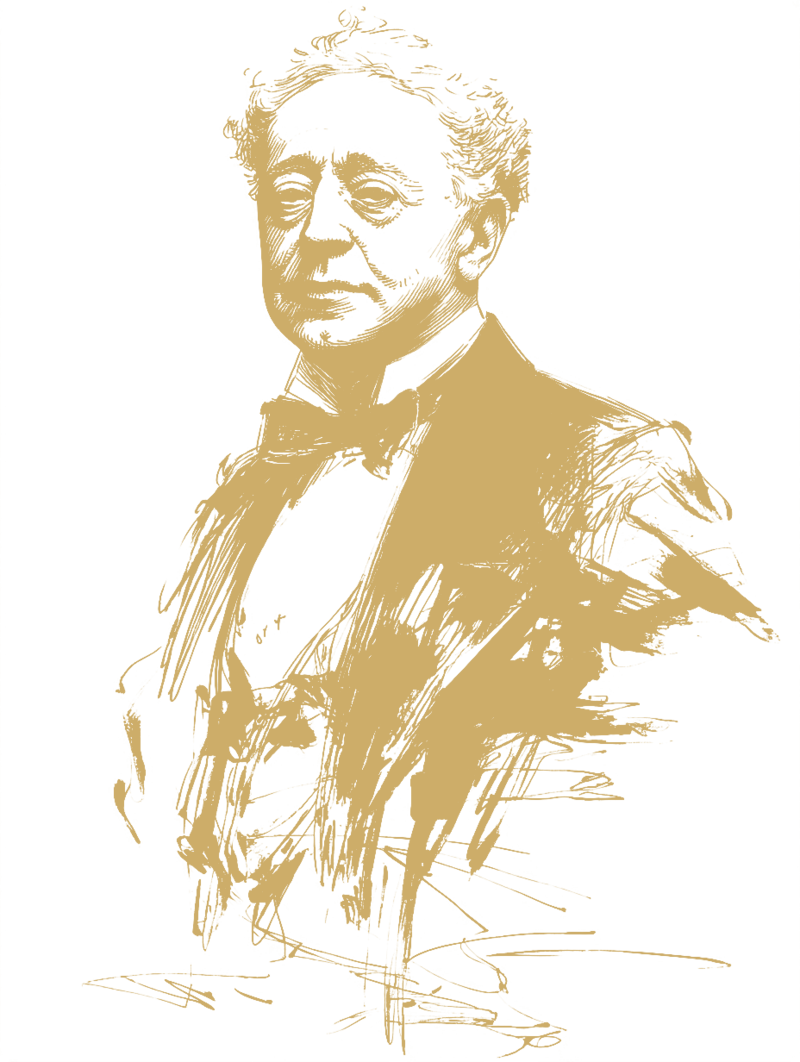
Sale of made-to-measure car watches for Bugatti
Sale of made-to-measure car watches for Bugatti
Ettore Bugatti chose Breguet to produce chronographs with a tachometer function for the centre of the steering wheels of his luxurious “Royale” automobiles.

Opening of the Place Vendôme Boutique
Opening of the Place Vendôme Boutique
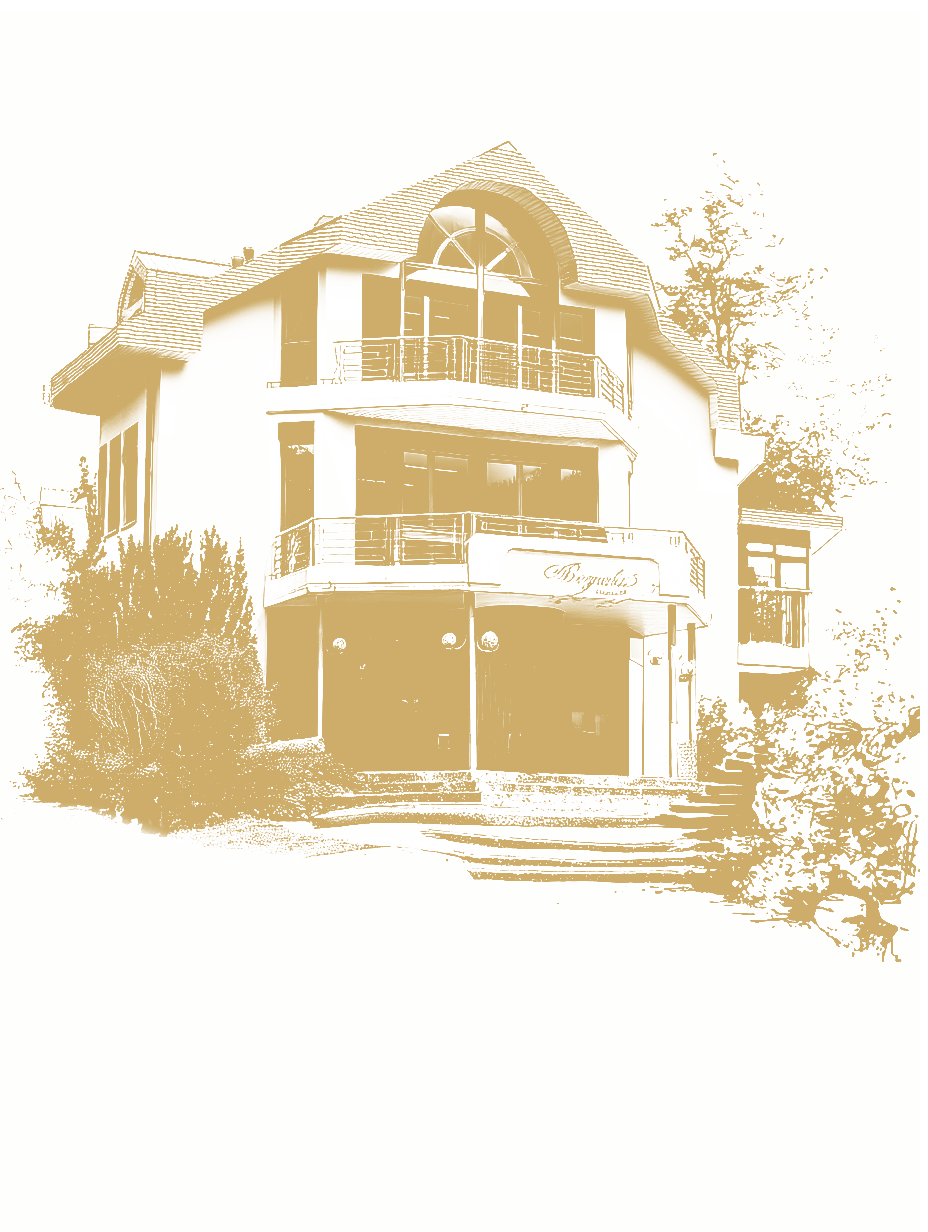
Still a Parisian brand, Breguet moves into 28 Place Vendôme. It was the first watch brand to set up shop on this iconic square, and remains there to this day, having occupied several different addresses.

1970 - 1999
Breguet changed hands in 1970 and for fifteen years belonged to the Chaumet brothers, heirs to a prestigious jewellery Maison. From then on, Breguet chose to devote itself exclusively to very high-end watchmaking, including watches with complications that revived its traditional style. Production took place in the Vallée de Joux in Switzerland. In 1987, Breguet was taken over by the financial company Investcorp. Favourable economic conditions enabled the company to expand into new markets in Asia and North America.
Sale of Breguet to the Parisian jewellers Chaumet
Sale of Breguet to the Parisian jewellers Chaumet
From 1970 onwards, new watches with complications were developed and made available in several countries around the world.
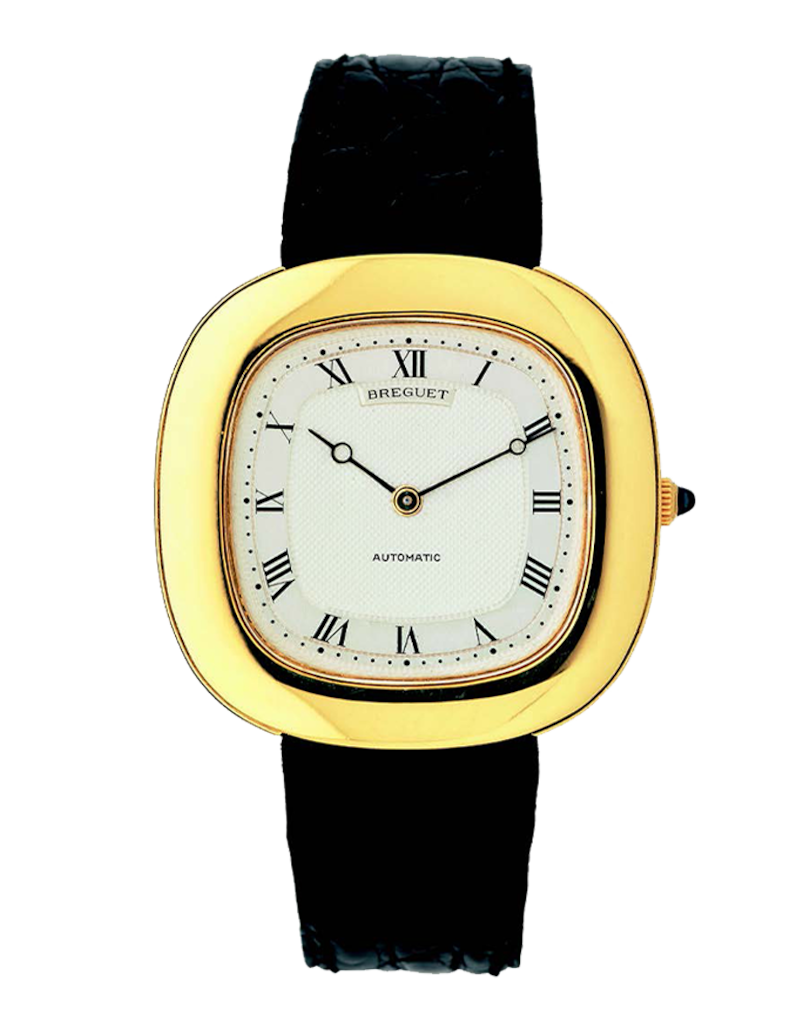
Opening of a workshop in the Vallée de Joux (Switzerland)
Opening of a workshop in the Vallée de Joux (Switzerland)
A Swiss workshop in this well-known watchmaking valley was opened in addition to the one in Paris. The links with Breguet's country of origin had always been close since the company's origins and were now considerably strengthened.

Acquisition of Breguet by Investcorp
Acquisition of Breguet by Investcorp
Bahrain-based financial company Investcorp acquires Breguet. With a view to expanding its production facilities, in 1991 it acquired Nouvelle Lémania, a watch manufacturer specialising in top-of-the-range movements and complications, and Valdar, a manufacturer of components. Together with Breguet, they formed a small watchmaking group. Nouvelle Lémania gradually became the Breguet Manufacture as it supplied more and more finished movements to Breguet.

Opening of a new Manufacture in L'Abbaye in the Vallée de Joux (Switzerland)
Opening of a new Manufacture in L'Abbaye in the Vallée de Joux (Switzerland)
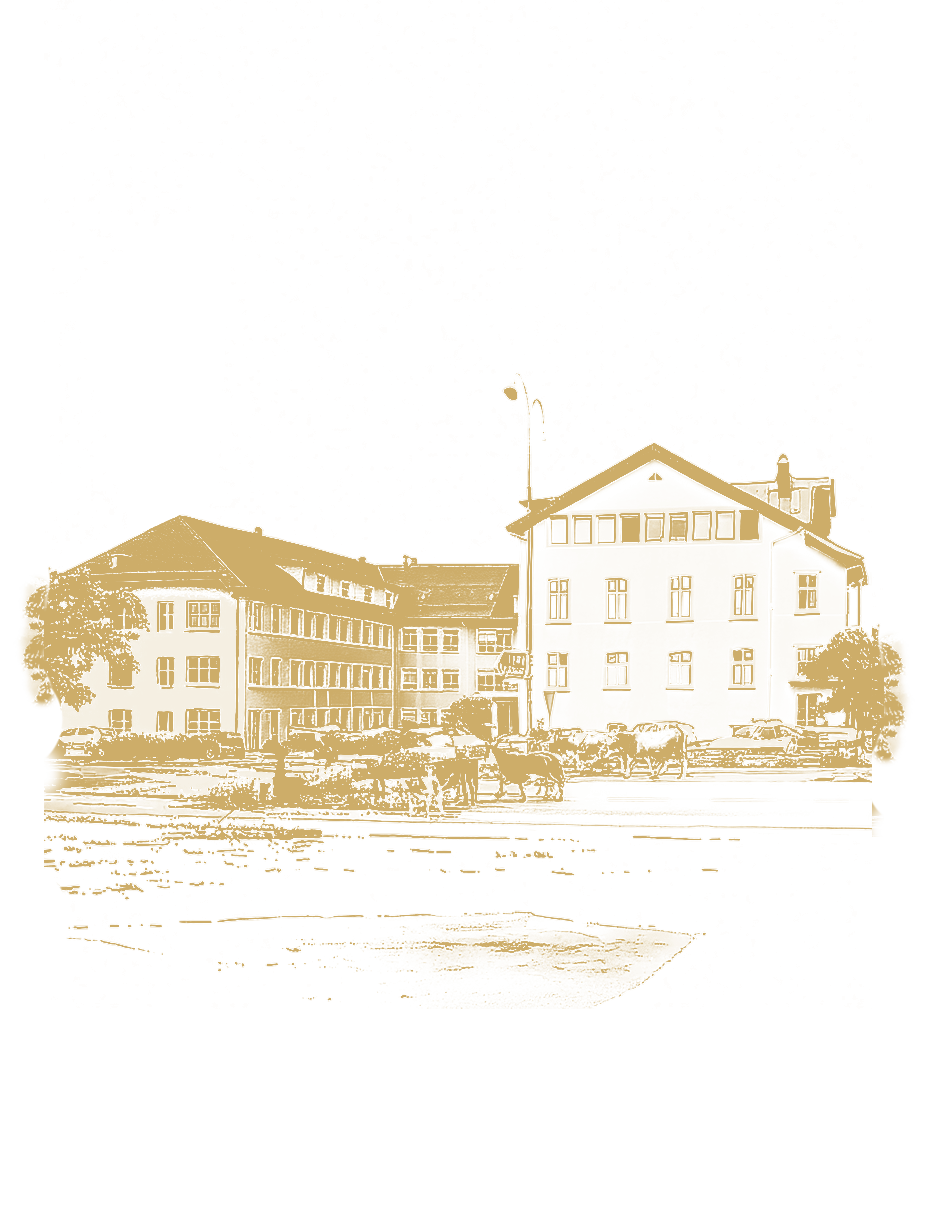
Breguet moves into a renovated building equipped for its specific needs. Today, this is the company's head office and all production activities are carried out from the Manufacture in L'Orient (Switzerland).

1999 - Present
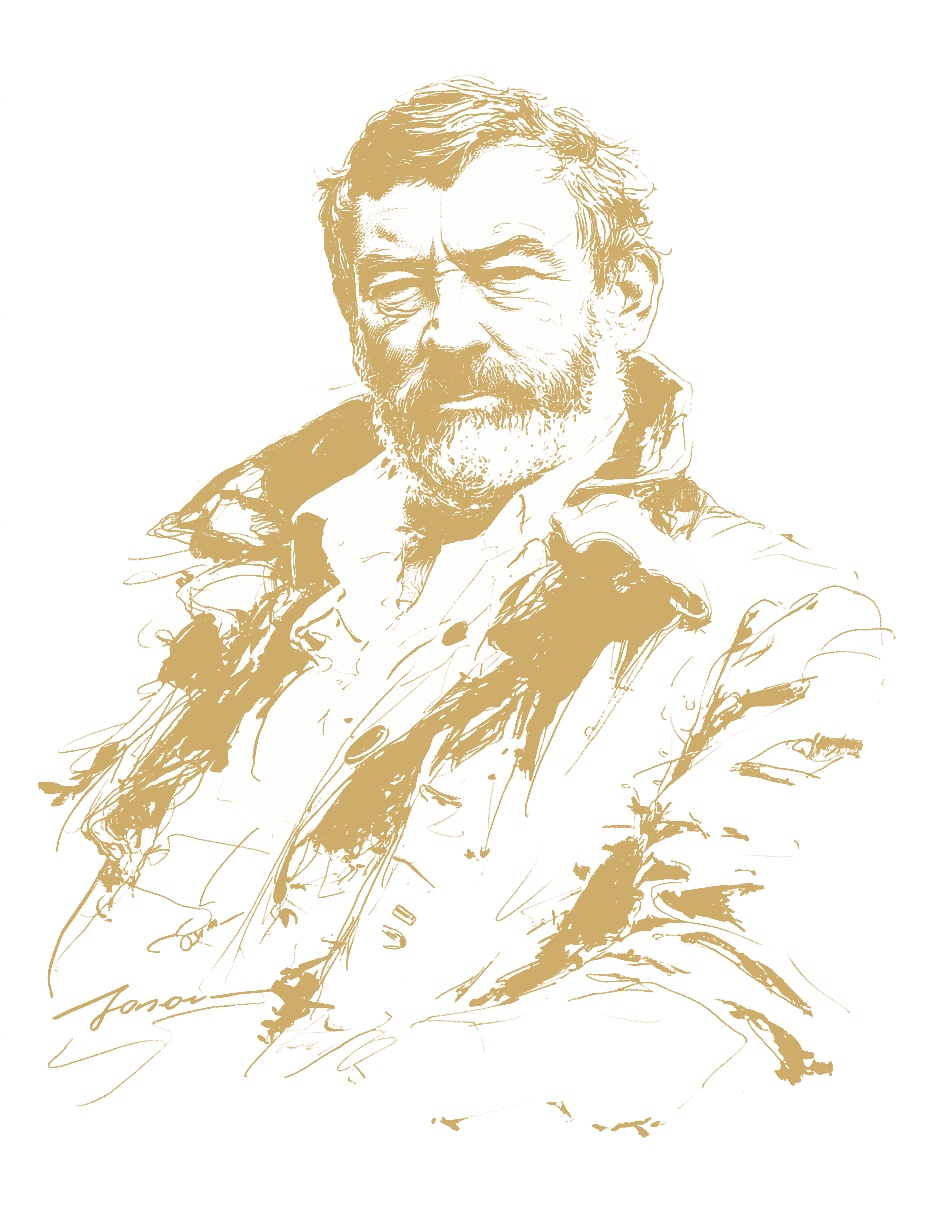
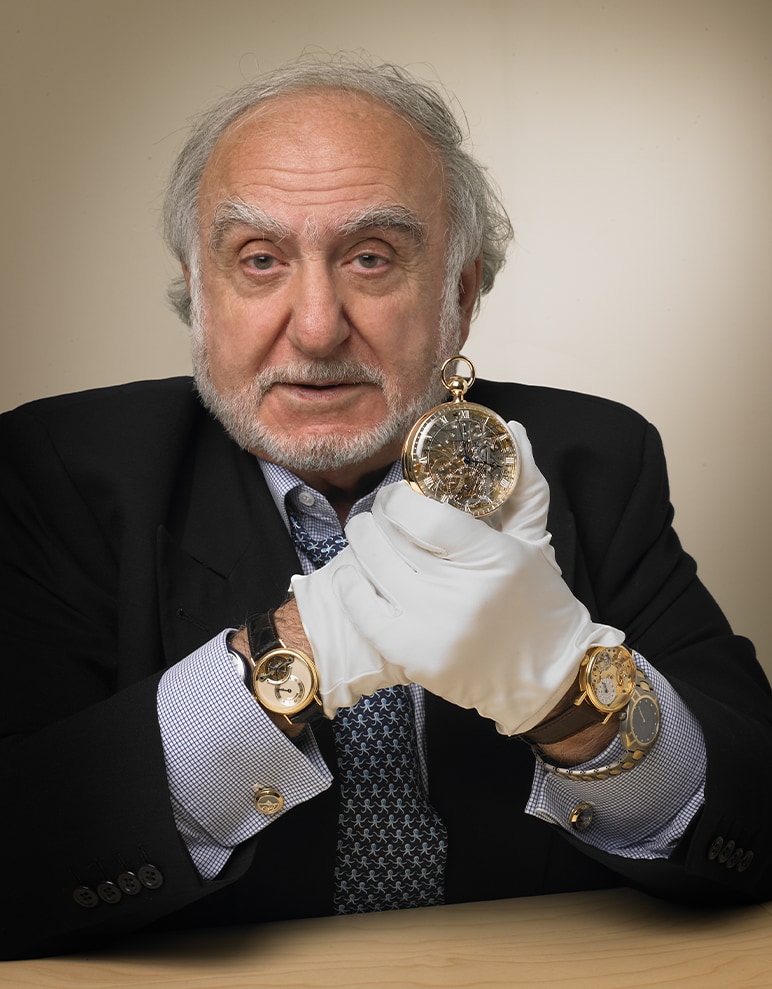
1999 marks a new beginning for Breguet, which is taken over by the Swatch Group. Under the impetus of Nicolas G. Hayek, and thanks to major human and financial investments, Breguet regained its glory and prestige. Following his death in 2010, his grandson Marc A. Hayek took over the helm of this gem of the watchmaking world. In 2024, Grégory Kissling was appointed CEO of the Maison, working closely with Mr Hayek, who is still President.
Sale of the Breguet watchmaking group to Swatch Group
Sale of the Breguet watchmaking group to Swatch Group
Breguet becomes the fifteenth Maison to join Swatch Group under the leadership of Nicolas G. Hayek, who becomes its Chief Executive Officer. With a genuine passion for the brand, he dedicated the necessary human and financial resources to restore it to its former glory and place it once again at the pinnacle of Fine Watchmaking.

Marc A. Hayek takes over as CEO
Marc A. Hayek takes over as CEO
Following the death of his grandfather, he took over the running of Breguet and has continued to raise the company to the highest level ever since.
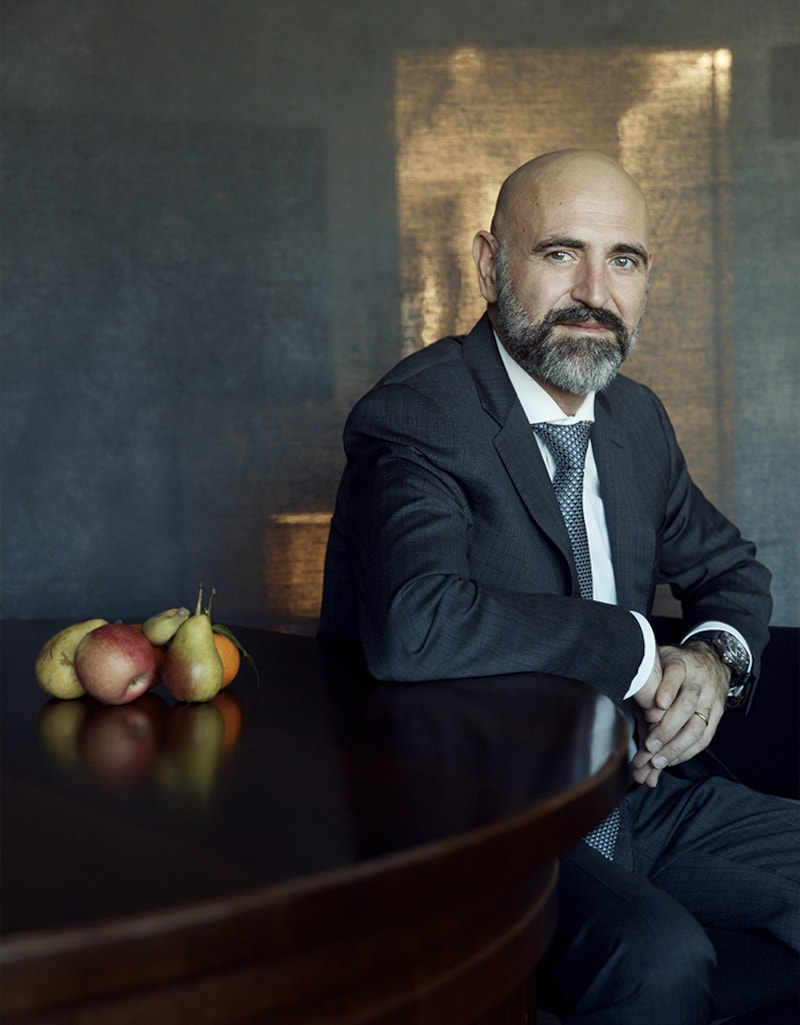
Expansion of the L'Orient Manufacture in the Vallée de Joux (Switzerland) is completed
Expansion of the L'Orient Manufacture in the Vallée de Joux (Switzerland) is completed
After the acquisition by Swatch Group in 1999, the expansion of the Manufacture Breguet continued until 2015.

Inventions in this period
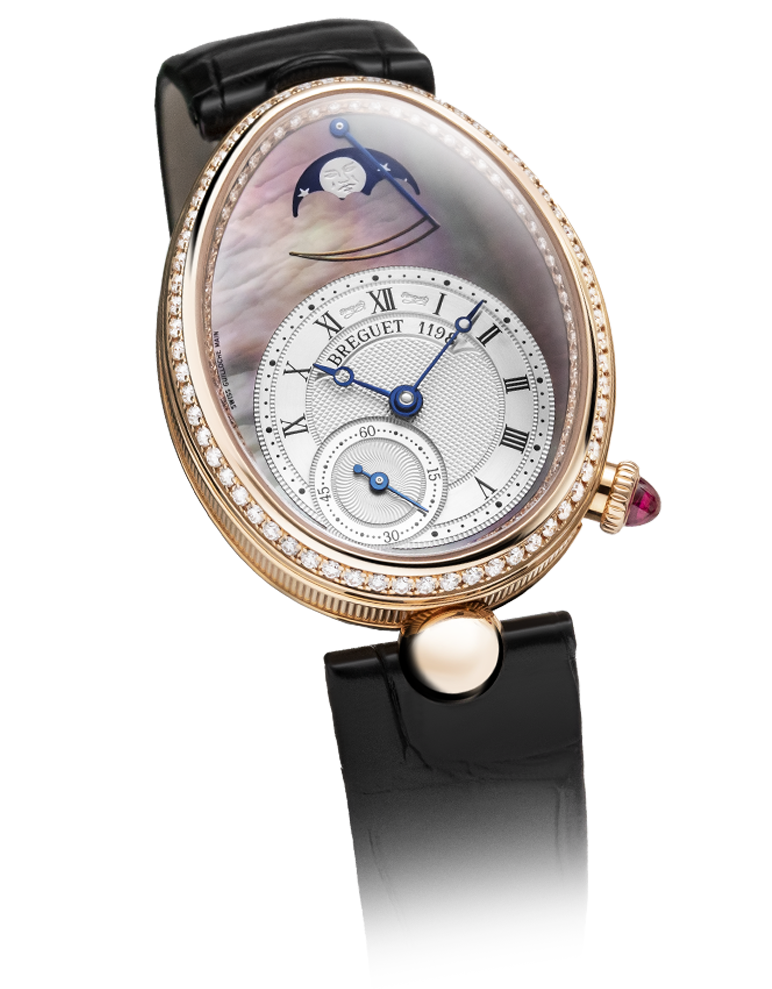
Introduction of the Reine de Naples model including a new moon-phase mechanism
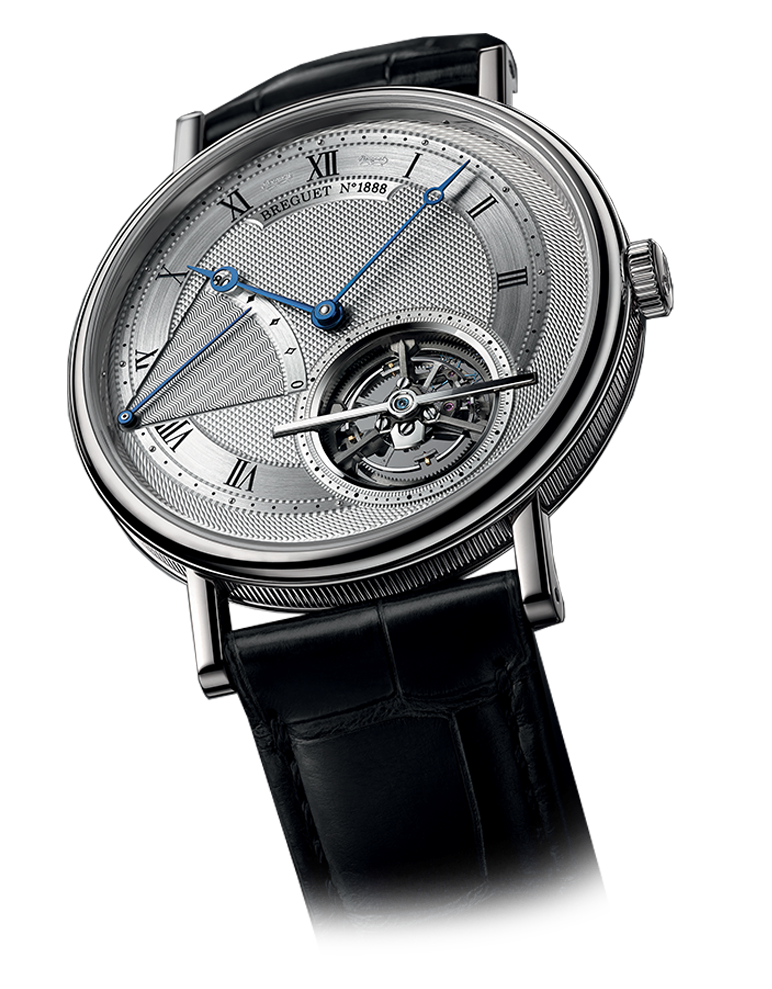
Unveiling of an extra-thin Tourbillon movement
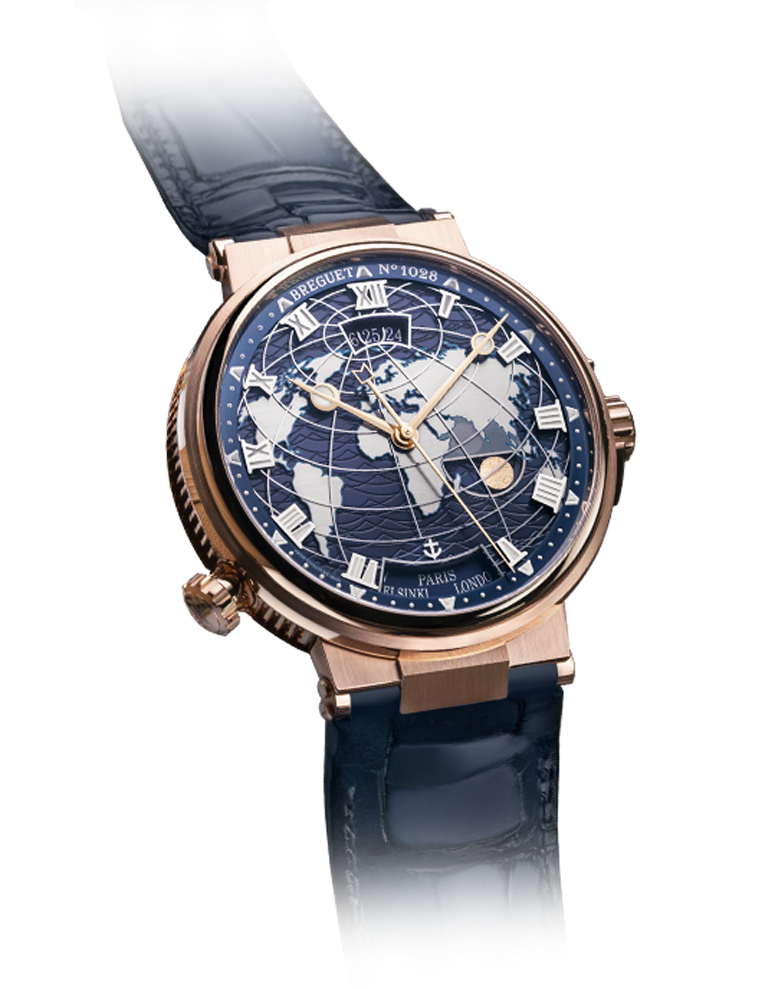
Announcement of an innovative dual time zone watch "Hora Mundi" in the Marine line