
A Love of Watchmaking
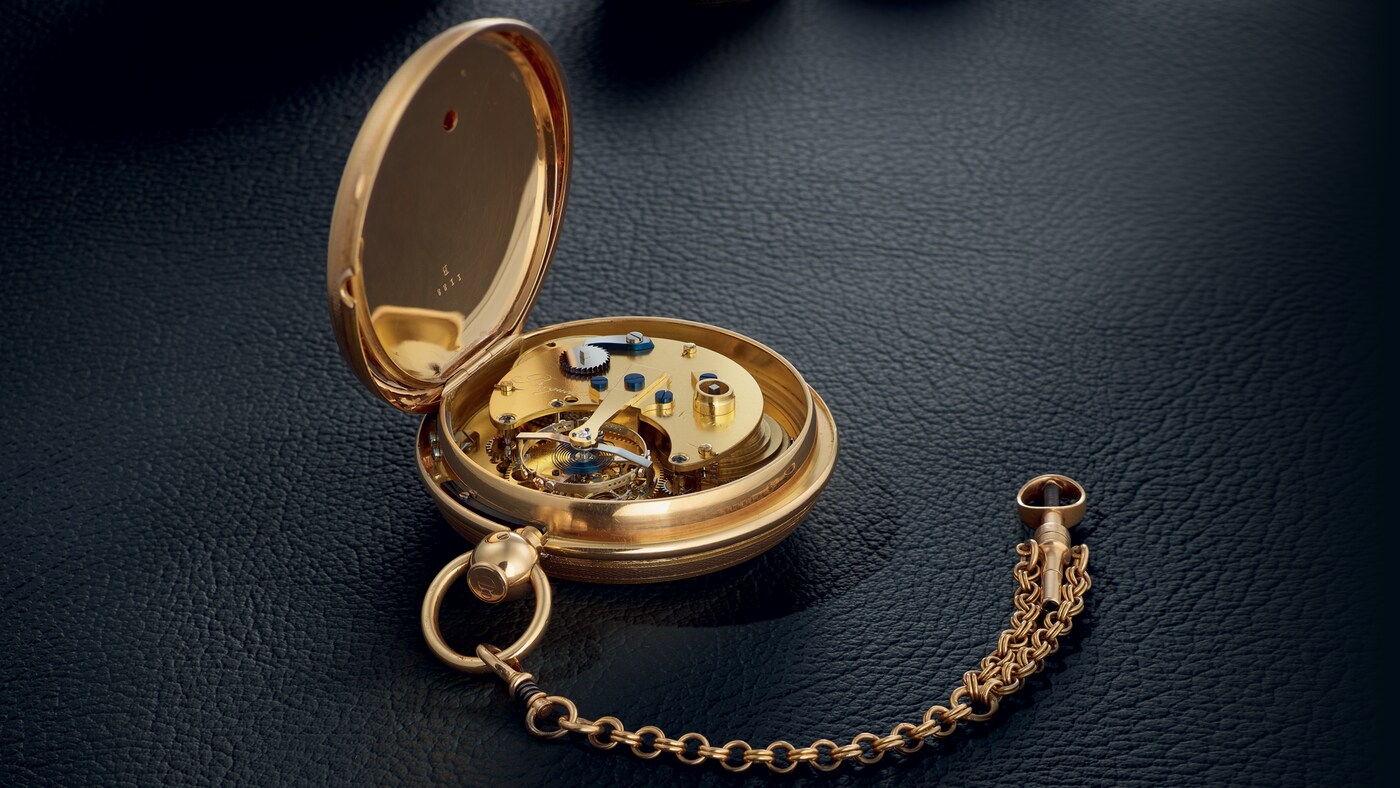
by Peter SpeakeOn Friday 14 December 2018, I received an email from Emmanuel Breguet concerning a request I had made to deconstruct an original Breguet Tourbillon pocket watch, made during Abraham-Louis Breguet’s lifetime and by the maestro himself... the reply was yes.

I have been a watchmaker for over 30 years. My career has spanned working on horological antiquity through to modern complications. In London, in the early 1990s, I began to photograph the watches I restored. I wanted to share with the outside world the hidden side of watchmaking that people generally don’t see.
With antique watchmaking, very few watchmakers get to see into the treasure trove of watchmaking history hidden beneath the dials. I restored early examples from virtually every brand. The confidence of youth made me believe everything could be restored and this determination, a superpower if ever there was one, was real.
Three years ago, influenced by this early period in London when I catalogued early watchmaking, I left a small brand I had developed and founded alongside Daniela Marin called The Naked Watchmaker, a platform with the goal of objectively educating the outside world on the inner workings of horology, continuing what I had started nearly 30 years earlier in London.
The brand we had previously developed had in itself been heavily influenced by the philosophy and designs of Breguet. So, to be working on modern and antique Breguet timepieces carried another level of meaning for me.
In today’s digital world, transparency is essential and inevitable when making products of any kind.
Secrets cannot be easily kept within such a context, and the fact that everybody has a personal opinion means a little knowledge can be a dangerous thing.
As a result, much disinformation is circulated, not only in politics but in watchmaking. This is where The Naked Watchmaker comes in, to show what is mostly hidden and often not understood, and as a result is then often wrongly perceived.
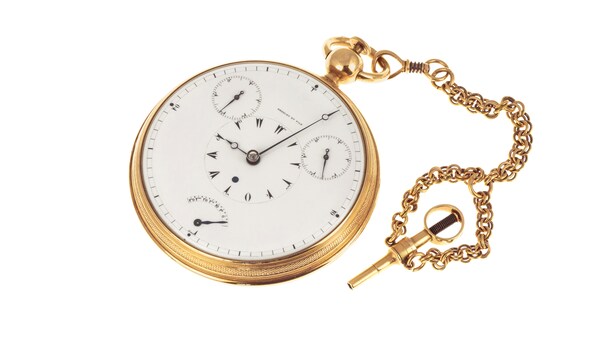
Up:
Breguet Tourbillon watch No.1188.
In the short period since The Naked Watchmaker was founded, my small team and I have had the privilege of entering many manufactures, dismantling and photographing a wide range of products, from antique timepieces to the very latest creations.
One of the first legendary maisons to open its doors to us was Breguet, a brand I had first encountered while working in London and one that I had always admired.
When studying historical examples of Breguet’s work, it is almost impossible not to respect them, particularly when the complexity of the watches is considered within the context of the era in which they were created.
Before CNC machining, CAD systems, electricity and the myriad extraordinary technologies that surround us today, watchmakers were producing watches that continue to influence us more than two centuries later.
The ruby cylinder escapement found in the Souscription pocket watch would be difficult to manufacture even today.
The natural escapement remains as relevant now as it was 200 years ago and continues to be reinvented.
The aesthetics of these early watches, combined with their technical innovation, not only defined a watchmaking manufacture but also influenced an entire industry.
When an outsider enters a watch manufacture, it is impossible to fully appreciate the depth of the products being created until one physically immerses oneself in the product itself.
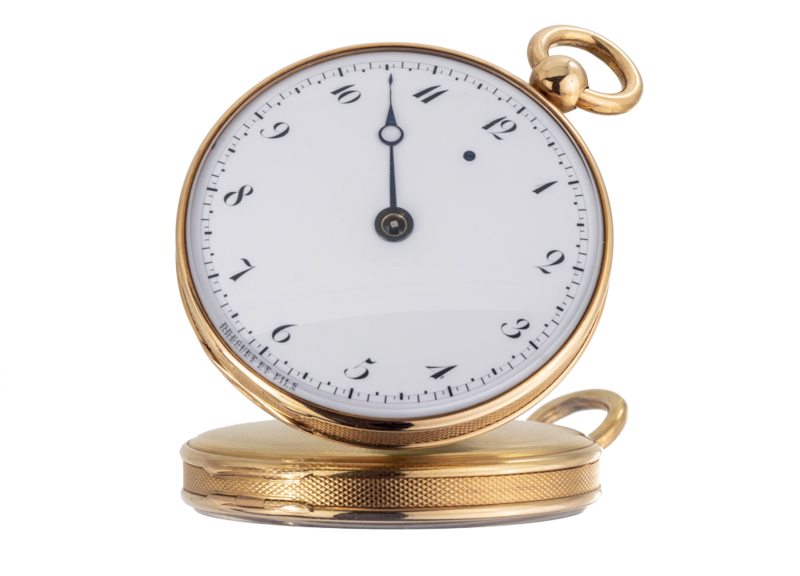
Up:
Breguet Subscription pocket watch No. 1836.
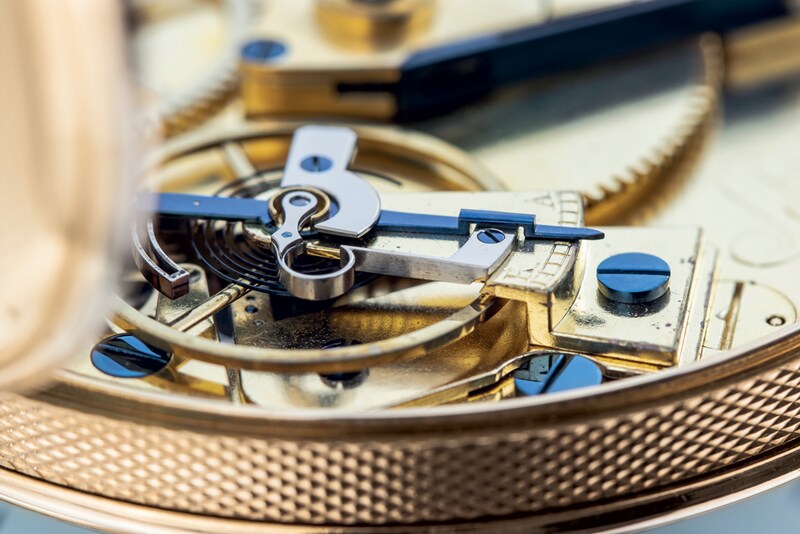
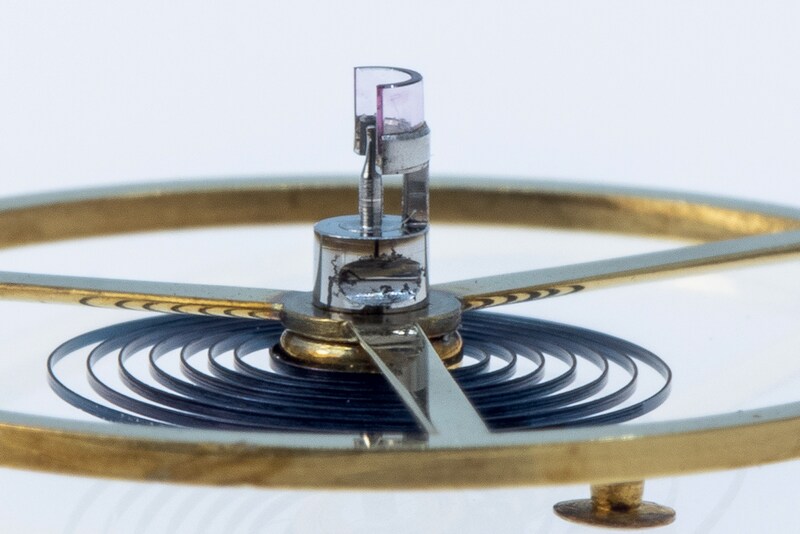
Right:
Breguet Subscription pocket watch No. 1836.
Up:
Breguet Subscription pocket watch No. 1836.
Watchmaking, like many fields, is built upon brands and myths.
Sometimes the brand itself has become the myth, built more upon what it once was than what it is today, because continuity is never an easy path to follow.
During the weeks I spent at Breguet, where I was warmly welcomed into James Cooke’s training workshop, I dismantled eleven watches, including two historical pieces and nine modern examples.
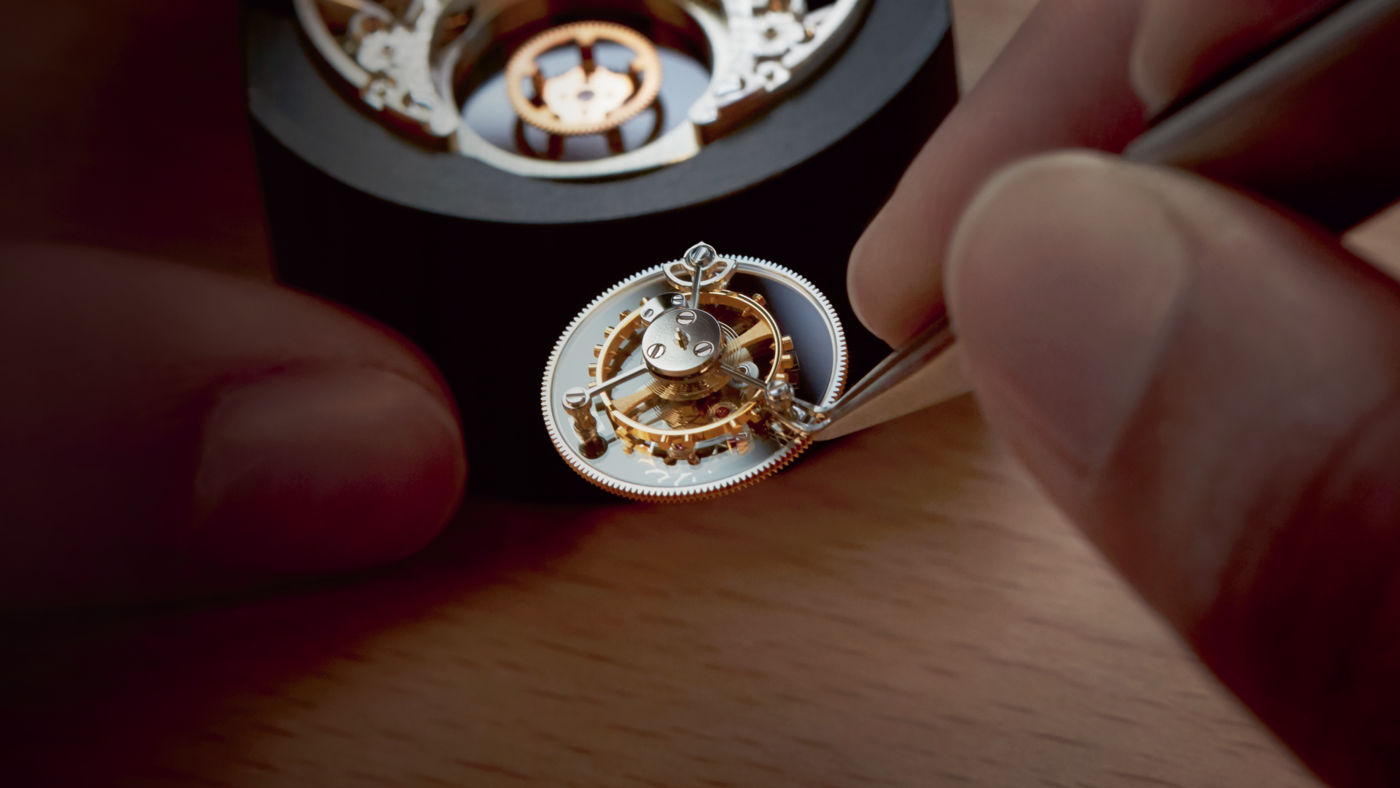
I began with the simplest and gradually progressed towards the most complex, culminating in what can only be described as a horological grail: an original Breguet tourbillon made during the founder’s lifetime and handled by the master himself, fitted with his natural escapement.
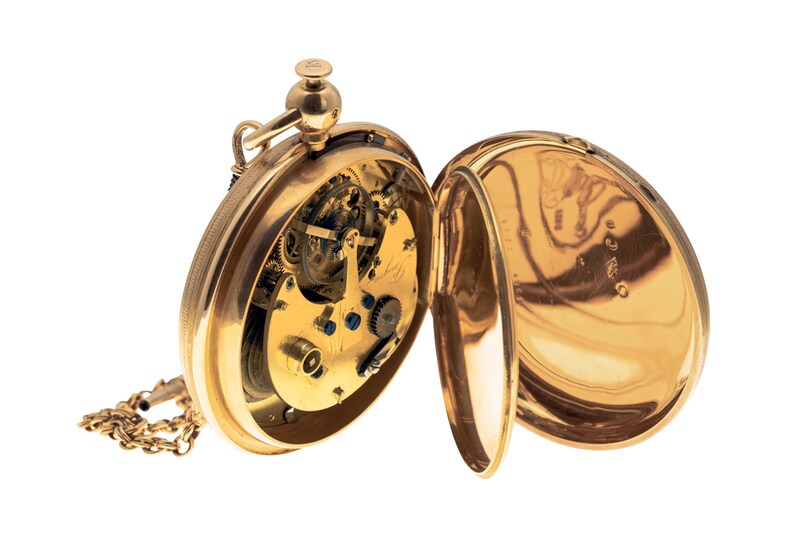
Up:
Breguet No. 1188 undergoing “deconstruction”.
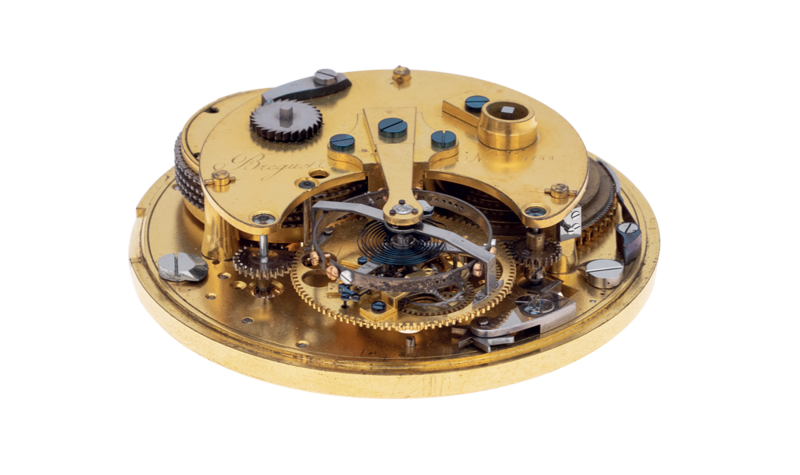
Up:
The movement withdrawn from the case.
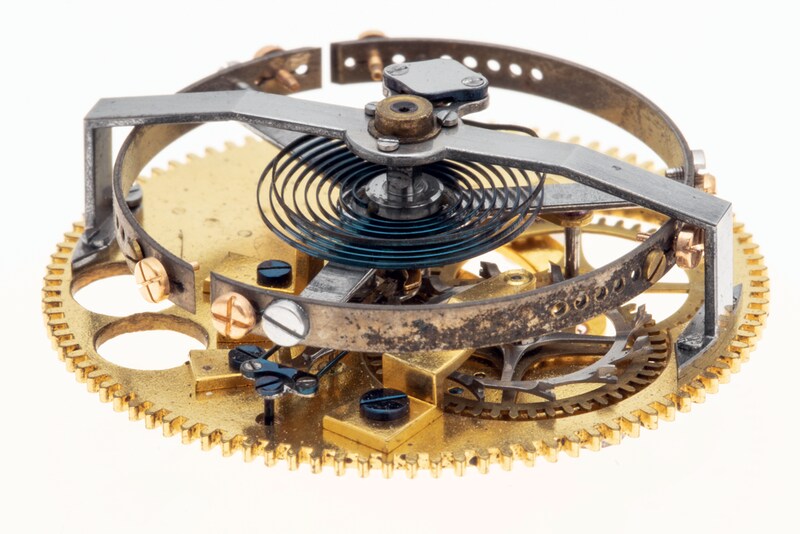
Up:
The tourbillon carriage removed from the movement.
Right:
Breguet No. 1188 undergoing “deconstruction”.
Up:
Breguet No. 1188 undergoing “deconstruction”.
Right:
The movement withdrawn from the case.
Up:
The movement withdrawn from the case.
Right:
The tourbillon carriage removed from the movement.
Up:
The tourbillon carriage removed from the movement.
For any watchmaker, this was an extraordinary opportunity. It was not simply about mechanics, but about entering another world, another universe, another era.
As I dismantled the watch, James and his colleagues would come over to take a closer look at details that are normally never seen. As I photographed it and continued disassembling it, more curious watchmakers cautiously approached to examine it more closely.
Being so close to these pieces created a mixture of fascination, caution and excitement.
Thousands of photographs later, I began assembling the web pages dedicated to each watch, along with the companion books that can be downloaded from the website.
During the following three months, I worked on compiling the material and became completely immersed in the details I had recorded.
I was fascinated by the hidden eccentricities that, although some may have been discussed from time to time, had largely faded from memory.
The Breguet signatures engraved on the sides of bridges, or on the plates supporting silicon balance springs fitted with the “Breguet overcoil”. The custom skeletonised wheels and barrels, often hidden from the final customer yet always present within the watch.
The constant use of modern materials and technologies such as titanium and electroforming, while remaining faithful to the DNA of the brand, highlights the innovative spirit instilled by the founder.
While working in the workshop with James, I met young Breguet watchmakers training before leaving for New York to work in after-sales service.
They were just as fascinated as I was by the historical pieces I had handled and even more enthusiastic about continuing a modern Breguet adventure abroad.
I asked one of them why he wanted to work for Breguet.
His answer was simple:
“Because it’s Breguet.”
As mentioned earlier, for some brands the myth or image attached to the name is stronger than the product itself.
For others, such as Breguet, the product lives up to its historical reputation.
Being given the keys to the company and allowed, as an outsider, to enter a watchmaking workshop with access to timepieces worth more than a million Swiss francs, to dismantle them and share them with the outside world, demonstrates the strength and confidence a brand can possess.
To understand this, one only has to visit The Naked Watchmaker website and see the companies that have already had the foresight to take part.
They understand that beyond marketing, securing the future of watchmaking requires educating people, and especially younger generations.
A vision fully embraced by companies such as Breguet.
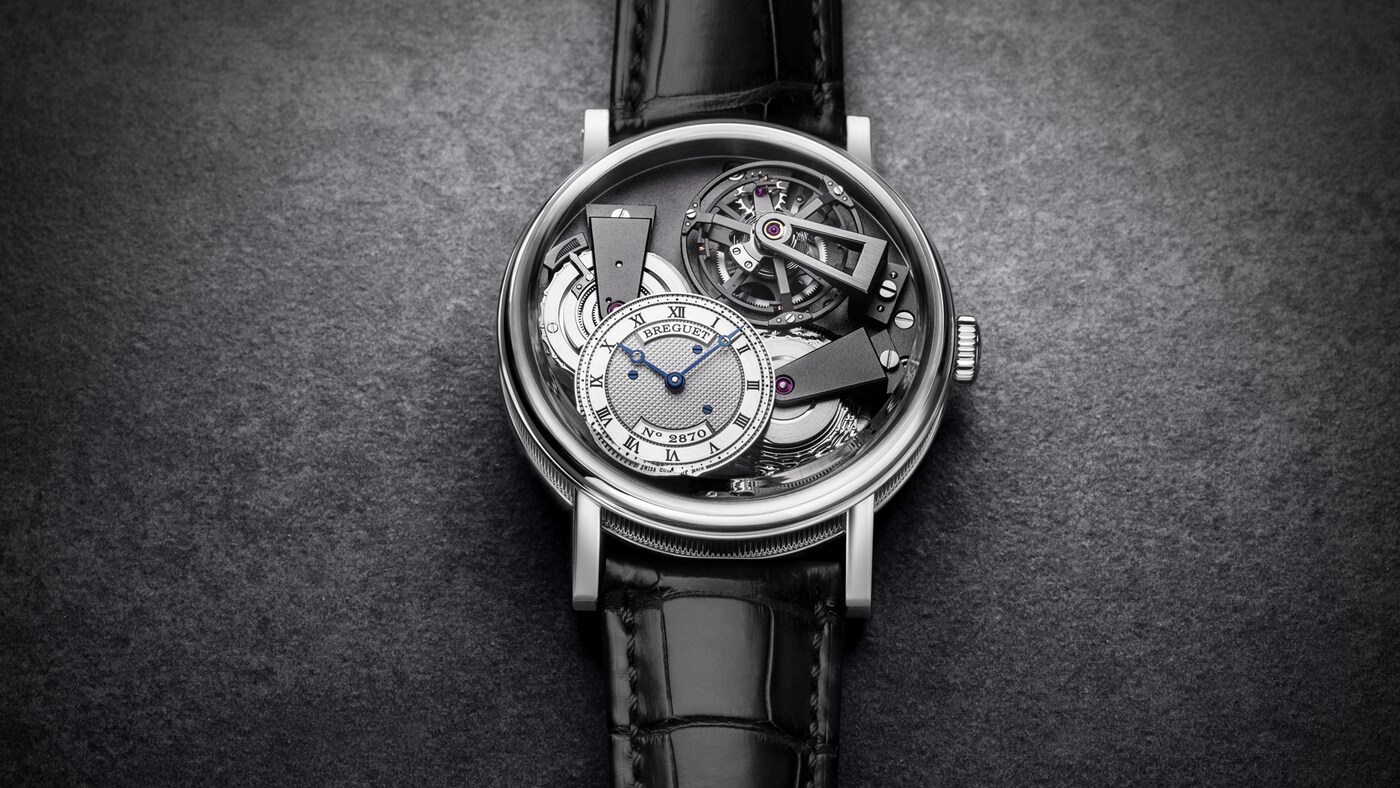
Watchmaking differs from micromechanics because it serves not only a functional purpose but also an aesthetic one; it must be beautiful, evoke emotion through innovation, or express a desire for quality and perfection.
These are the roots of a passion for watchmaking. They speak to a part of us that makes us human, not always rational, but born from the soul rather than necessity.
For me, this experience with the different Breguet models embodied the history of watchmaking, from its origins to what it has become today.
Through these watches, I was able to trace the evolution of Breguet’s DNA, not only in terms of design but also originality.
Early Breguet pocket watches attempted to solve and compensate for the technical problems of their time, such as poor-quality non-synthetic lubricants that tended to dry out quickly, along with all the challenges inherent to watches produced before the invention of water resistance or keyless winding.
In modern pieces, this translates into the use of silicon escapements and balance springs, a logical evolution that employs modern technology to improve functionality and overcome issues such as magnetism, while preserving the aesthetics of Abraham-Louis Breguet’s original designs.
Part of the fascination of watchmaking lies in its extraordinary diversity: the different solutions that have been developed over the past two centuries to address common problems affecting isochronism and longevity, the many functions and complications that have been added over time, and the way different companies find different solutions that define their identities as strongly as the aesthetics of a case or dial.
Launching The Naked Watchmaker, and creating a series on Breguet within the platform’s first twelve months, reinforced the purpose of the project.
On a personal level, The Naked Watchmaker strengthens a passion for watchmaking that I developed while restoring Breguet watches in my twenties and which remains just as strong today as when it first emerged in London during the 1980s.
No matter how long we live, or how much we see, we will never witness every design, mechanism and solution that has been developed throughout the history of watchmaking.
This is one of the most extraordinary aspects of the field: its history seems endless, and its future undoubtedly will be too.
As long as we continue to feel emotion, we will continue to seek art, soul and creativity, all of which are found in abundance in watchmaking.
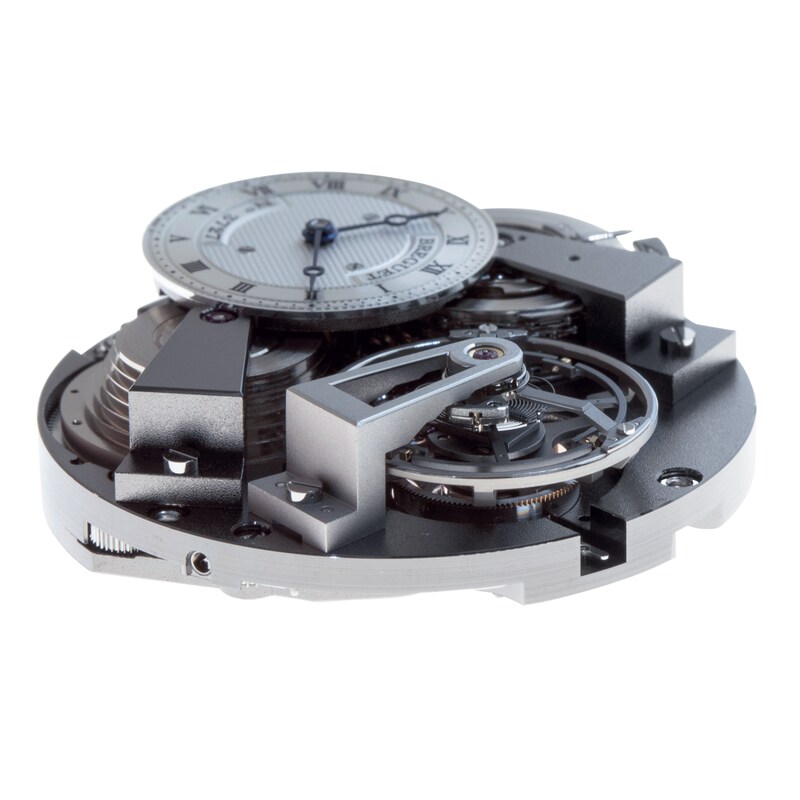
Up:
The movement of the Tradition 7047 withdrawn from the case.
Up:
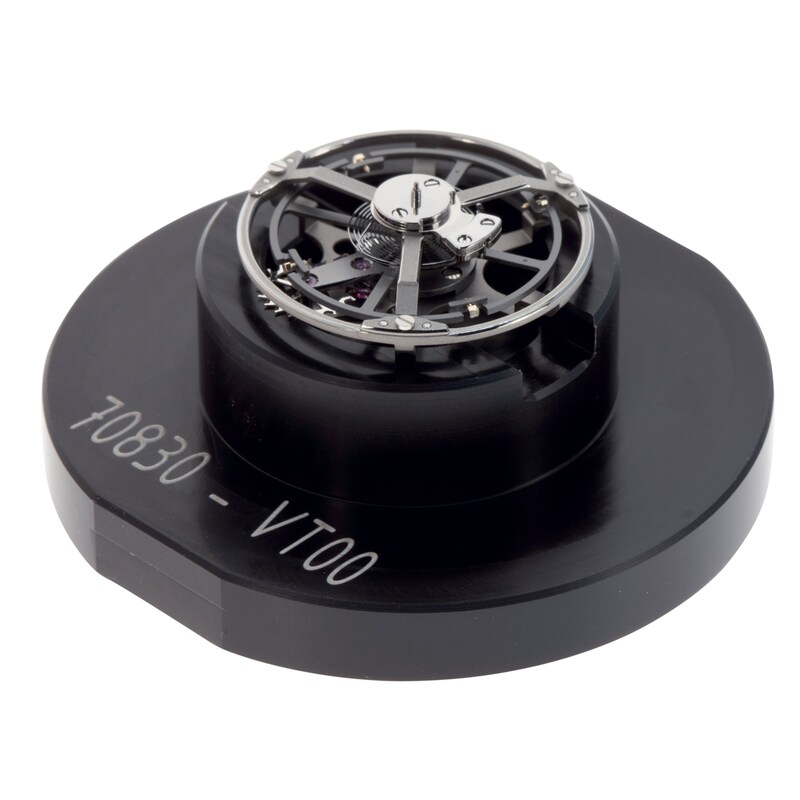
The tourbillon carriage placed in a dedicated working holder after removal from the movement.
Up:
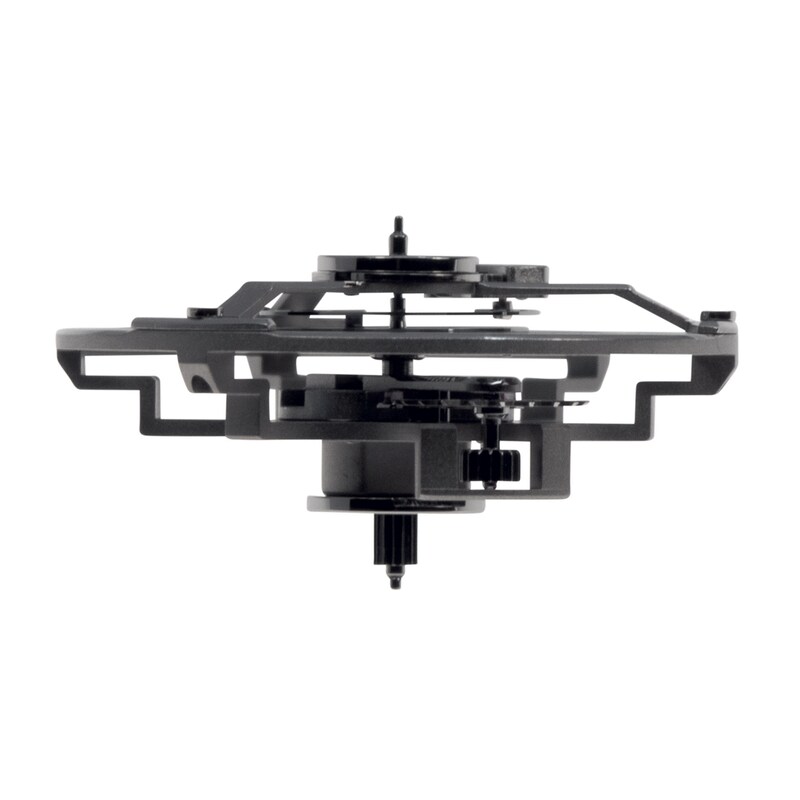
Side view of the carriage.
Right:
The movement of the Tradition 7047 withdrawn from the case.
Up:
The movement of the Tradition 7047 withdrawn from the case.
Right:
The tourbillon carriage placed in a dedicated working holder after removal from the movement.
Up:
The tourbillon carriage placed in a dedicated working holder after removal from the movement.
Right:
Side view of the carriage.
Up:
Side view of the carriage.