
Our Métiers d’art
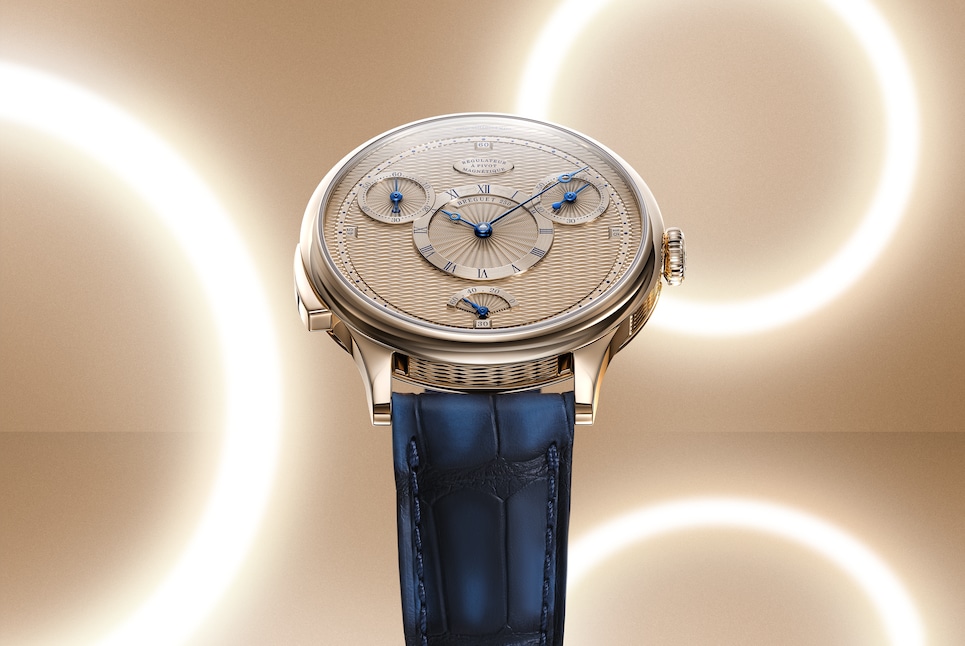
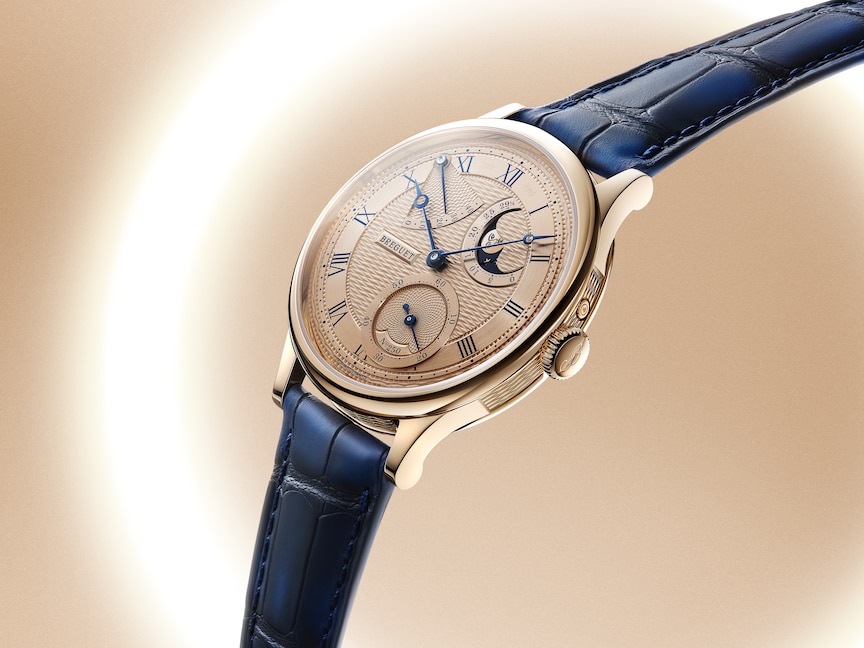
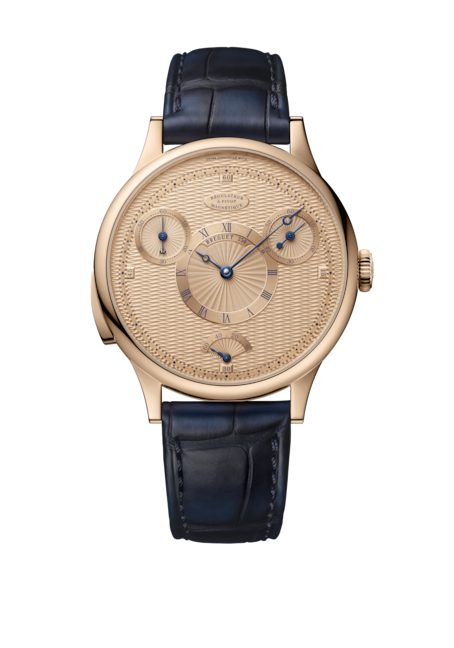
Guilloché according to Breguet
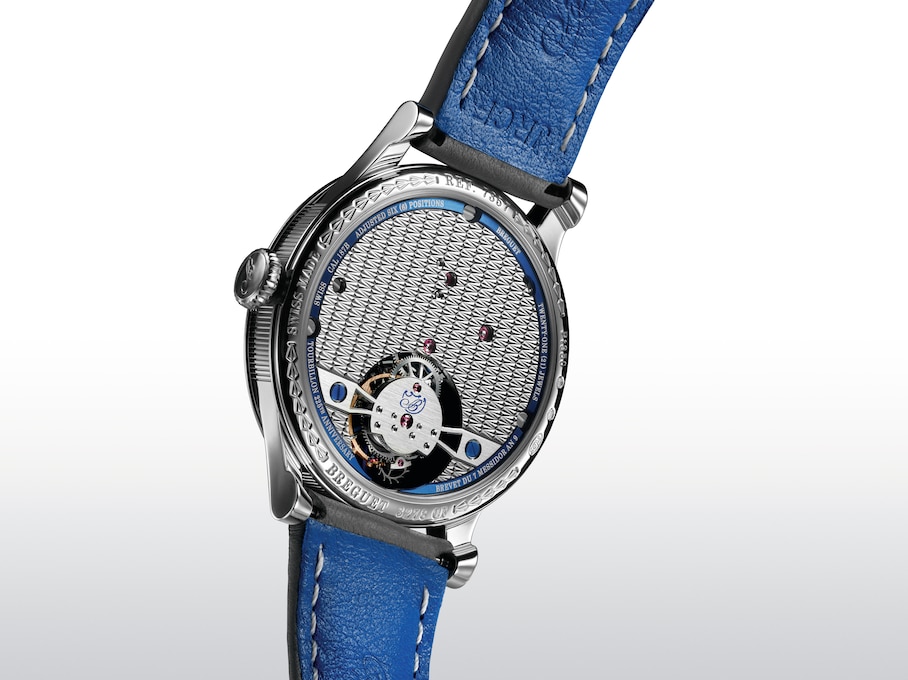
Introduced by Abraham-Louis Breguet to improve the legibility of dials, engine-turning has become one of the Maison’s aesthetic signatures. Guilloché makes it possible to define the indications, structure the surfaces and create subtle plays of light.
A tradition in motion
Handcrafted by using traditional engine-turning machines, each motif is born from a succession of precise gestures. The consistency of the decoration rests entirely on the artisan’s mastery, as they guide the piece and modulate the depth of the engraving. True to this heritage, Breguet continues today to build upon its decorative tradition. New motifs appear, inspired by architecture, landscapes and places intimately linked to the history of the Maison.

Quai de l’Horloge
Paris inscribed in the material
The Quai de l’Horloge motif follows the outline of the branches of the Seine around the Île de la Cité and the Île Saint-Louis.
Its design is based on the Turgot map, a particularly precise representation of 18th-century Paris. The contours of the river, quays and islands are recomposed into a network of fine lines that brings the city’s geography to the surface of the metal.
The motif thus leads back to the heart of Paris, where Abraham-Louis Breguet established his workshop, at 39 Quai de l’Horloge. More than a portrayal of the place, it transforms historical cartography into watchmaking decoration.
Petit Trianon
Architecture becomes ornament
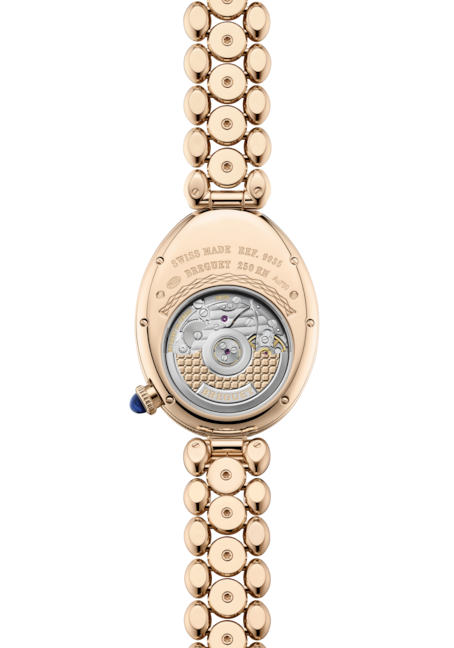
The architecture of the Petit Trianon is reduced to its essential principles: symmetry, measure and the balance of proportions.
The repetition of lines conveys the neoclassical order of the pavilion in a composition that is both rigorous and delicate. Depending on the incidence of light, the geometry gains depth and gradually reveals the precision of its execution.
Offered to Marie-Antoinette by Louis XVI, the Petit Trianon has a distinctive place in the history of the queen, whose name remains intimately associated with that of Breguet. This reference thus links an emblematic place in Versailles to one of the most famous relationships in the history of the Maison.
Dent de Vaulion
A relief of the Vallée de Joux
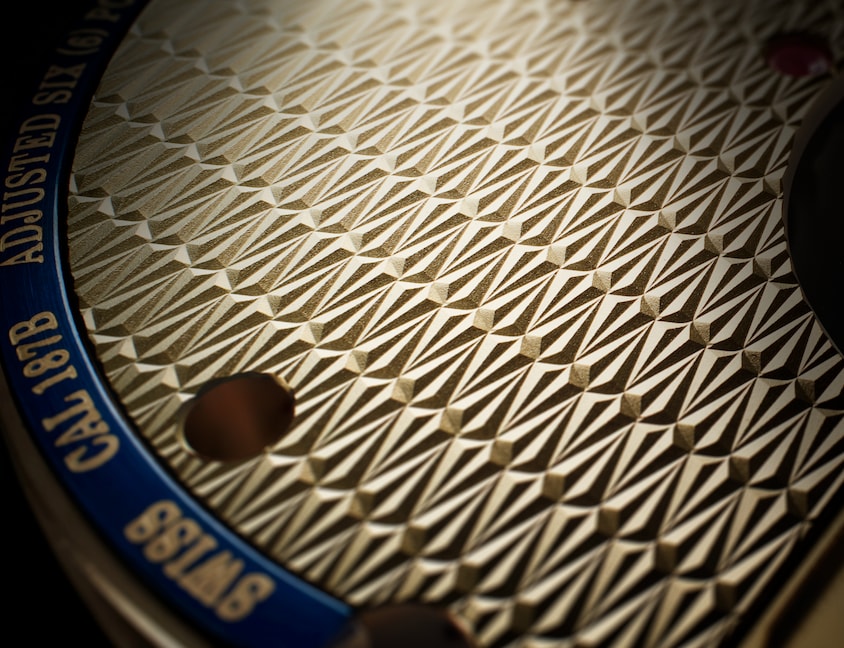
Inspired by the Dent de Vaulion and its reflection on Lac de Joux, this guilloché composes a mirrored landscape. The repetition of facets brings out the silhouette of the summit, then its inverted image on the surface of the water.
The relief is created through the interplay of angles, solids and hollows. As the light shifts, some lines fade while others are revealed, lending the decoration an ever changing sense of depth. The mountain and the lake thus respond to one another in a meticulously balanced composition, inspired by an emblematic landscape of the Vallée de Joux.
Be assisted by an advisor
Take the time for a personal encounter. Our advisors welcome you in Boutique for a private discovery of the collections
Arrange a private discovery in Boutique